

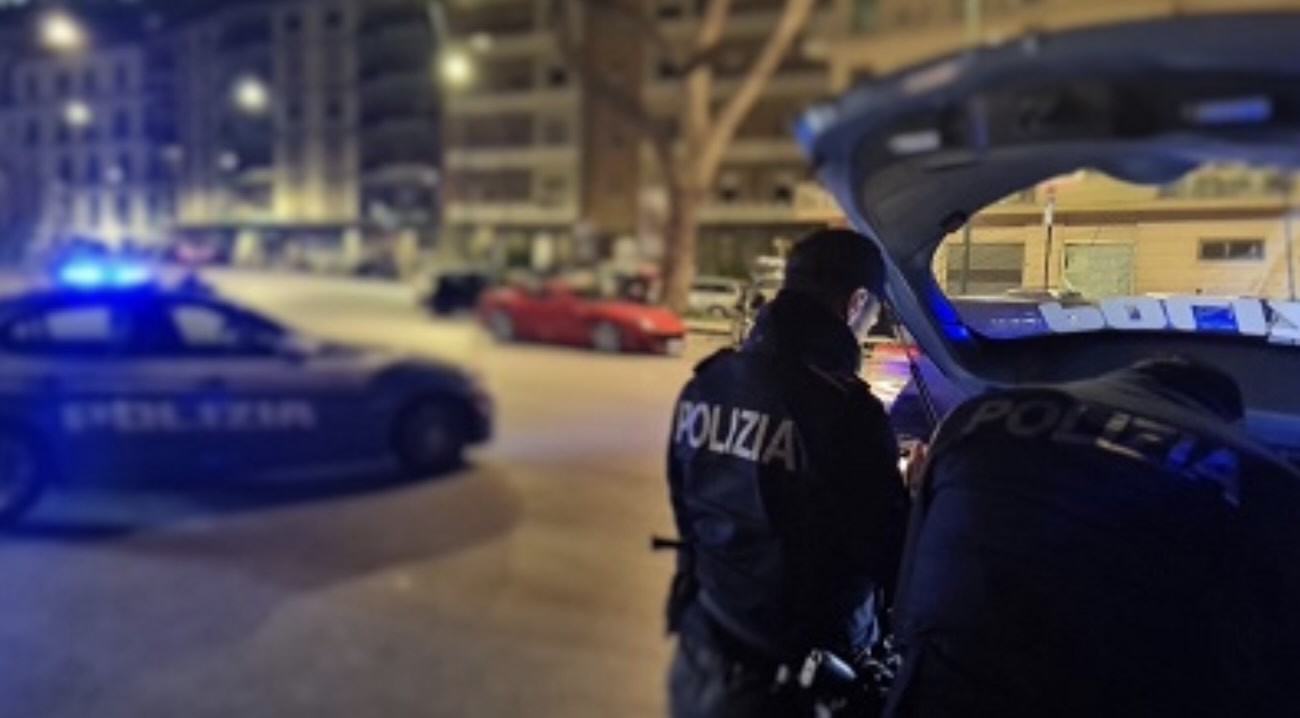
Naples – Another episode of violence against women has shaken the heart of Naples. Last night, in the Piazza Mercato area, a 61-year-old Neapolitan man with a criminal record was arrested by the State Police for domestic violence and aggravated assault.
The man, already known to law enforcement, attacked his ex-wife, injuring her in the chest in an escalation of violence stemming from a dispute over seeing their son.
The rapid intervention of officers from the Decumani and Montecalvario police stations, alerted by the Operations Room, allowed them to arrest the attacker on the ground floor of the home, while the woman, visibly shaken and very agitated, recounted the dramatic incident to the officers.
According to her testimony, when she refused to see their son, her ex-husband lost control and violently attacked her. This is not an isolated case: the woman has reported similar incidents in the past, a symptom of an escalation of violent behavior that appears unstoppable.
The 61-year-old was immediately arrested and taken into custody, pending judicial decisions. The victim, injured but out of danger, was treated at the scene, but the psychological trauma of an attack by a former partner leaves wounds far deeper than the physical ones.
A phenomenon that never stops
This latest case of gender-based violence in Naples reopens a wound that has never healed. Incidents of domestic abuse, often perpetrated by ex-partners, continue to dominate the city's news, despite the efforts of law enforcement and local organizations.
The dynamics of Piazza Mercato are paradigmatic: a man who refuses to accept the end of a relationship, an escalation of anger that leads to violence, a woman forced to live in terror.
Furthermore, the perpetrator's criminal record raises questions about the effectiveness of prevention measures and the urgency of more effective interventions to protect victims.
The statistics speak clearly: in Italy, cases of domestic violence remain a social scourge, with thousands of reports each year. In Naples, the social and cultural context, combined with a still-insufficient support network, makes the phenomenon particularly complex.
The Piazza Mercato story is just the latest piece in a mosaic of pain that requires not only repression, but also prevention, awareness and a collective commitment to break the cycle of violence.
The local community, shaken by yet another episode, is wondering: how many more women will have to endure before the system finds effective solutions? Meanwhile, the State Police continues its work, but the burden of these interventions falls on a society that has yet to learn to protect the most vulnerable.




This episode of violence is truly sad. I don't understand how someone could attack someone like this. Law enforcement is doing what they can, but a cultural shift is also needed. We need to educate people more about violence.