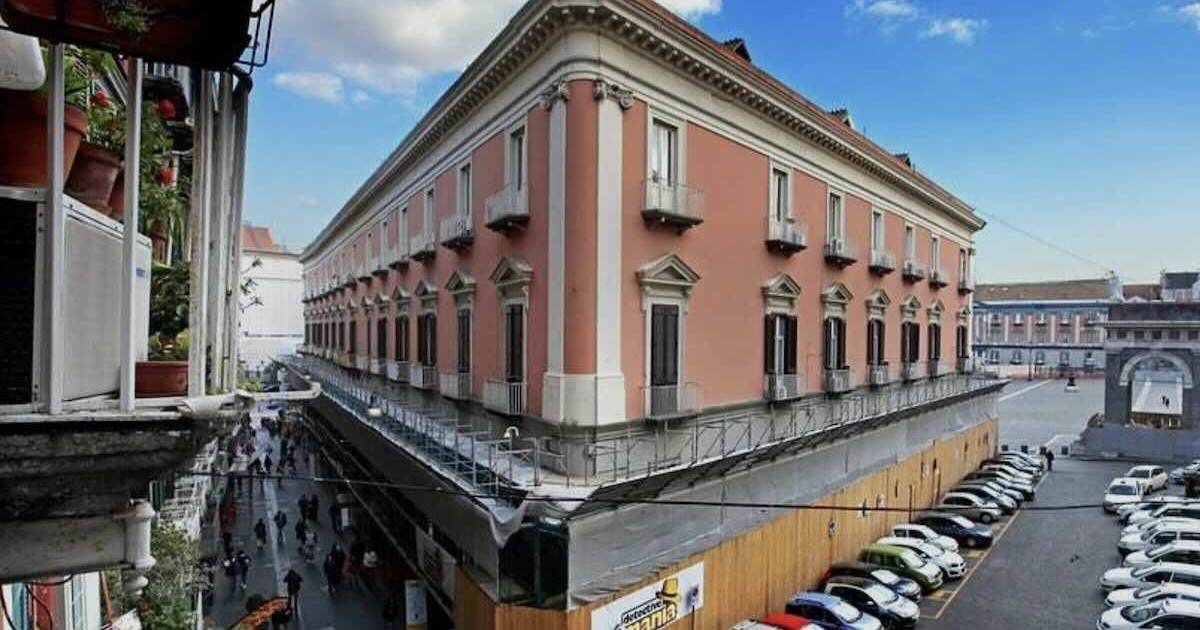
Naples – In a historic center overwhelmed for years by the tourism boom and torn by controversy over uncontrolled tourism, Palazzo San Giacomo is attempting to establish a solid foundation. The Naples City Council has approved by majority vote the resolution introducing a zoning change intended to transform the real estate market in the old city.
The stated goal is to curb the progressive disappearance of traditional apartments, which are being massively transformed into non-hotel accommodations, putting the social fabric at risk and pushing rental prices skyrocketing.
The 70% threshold: putting an end to the real estate Wild West
The substantial novelty of the amendment lies in the restriction on changes in intended use within the residential functional category. Specifically, within the defined perimeter of the historic center, a mandatory minimum residential occupancy threshold applies: 70% of the property's surface area must remain reserved for ordinary residential use.
Only the remaining 30% can be converted into B&Bs, guesthouses, vacation homes, or short-term rentals. Compliance with this percentage will be assessed for the entire building unit.
Tensions in the classroom and the clash with the managers
The measure, anticipated for months but at the center of a heated debate among neighborhood committees, trade associations, and industry professionals, was not approved unanimously. The green light came thanks to the city government majority, overcoming the opposition's dissenting vote and the abstentions of councilors Sorrentino, D'Angelo, and Carbone.
In the background remain the protests of the managers of the accommodation facilities and the fears of those who accuse the measure of limiting freedom of economic initiative, in the face of protests from residents who have long been denouncing the housing emergency and the transformation of the centre into a large "showcase city".
A flexible plan and the green light from the institutions
The resolution concludes a complex investigation process that began with the preliminary strategic document and continued with public comments and counterarguments, which also included the inclusion of business activities within the scope of the restrictions. The variation received technical approval from the Local Health Authority of Naples 1 Centro, the Civil Engineering Department, the Southern Apennines District Basin Authority, Municipalities 1, 2, and 3, and the Metropolitan City. However, the regulation will not be static: the City Council itself will periodically evaluate, through dedicated official studies, whether to modify the geographical extent of the protected area and the percentage of the safeguard threshold.
Naples: Protesters protest against B&Bs and vacation rentals
This video shows the recent street protests and the anger of Neapolitan residents against the proliferation of non-hotel accommodations and the resulting housing crisis in the historic center.
Key points on the new urban planning resolution in Naples
Here is a summary of the main aspects of the resolution approved by the Naples City Council regarding B&Bs in the historic center.
- Objective of the resolution: Contain the transformation of traditional apartments into hospitality facilities.
- Residential threshold: 70% of the surface area of the buildings must remain used for ordinary housing.
- Intended use: Only 30% of the properties can be converted into B&Bs, guest houses, or holiday homes.
- Political reactions: The resolution sparked heated debate, with opposition members voting against it and abstentions.
- Regulatory flexibility: The City Council may periodically review the percentages and the protected area.