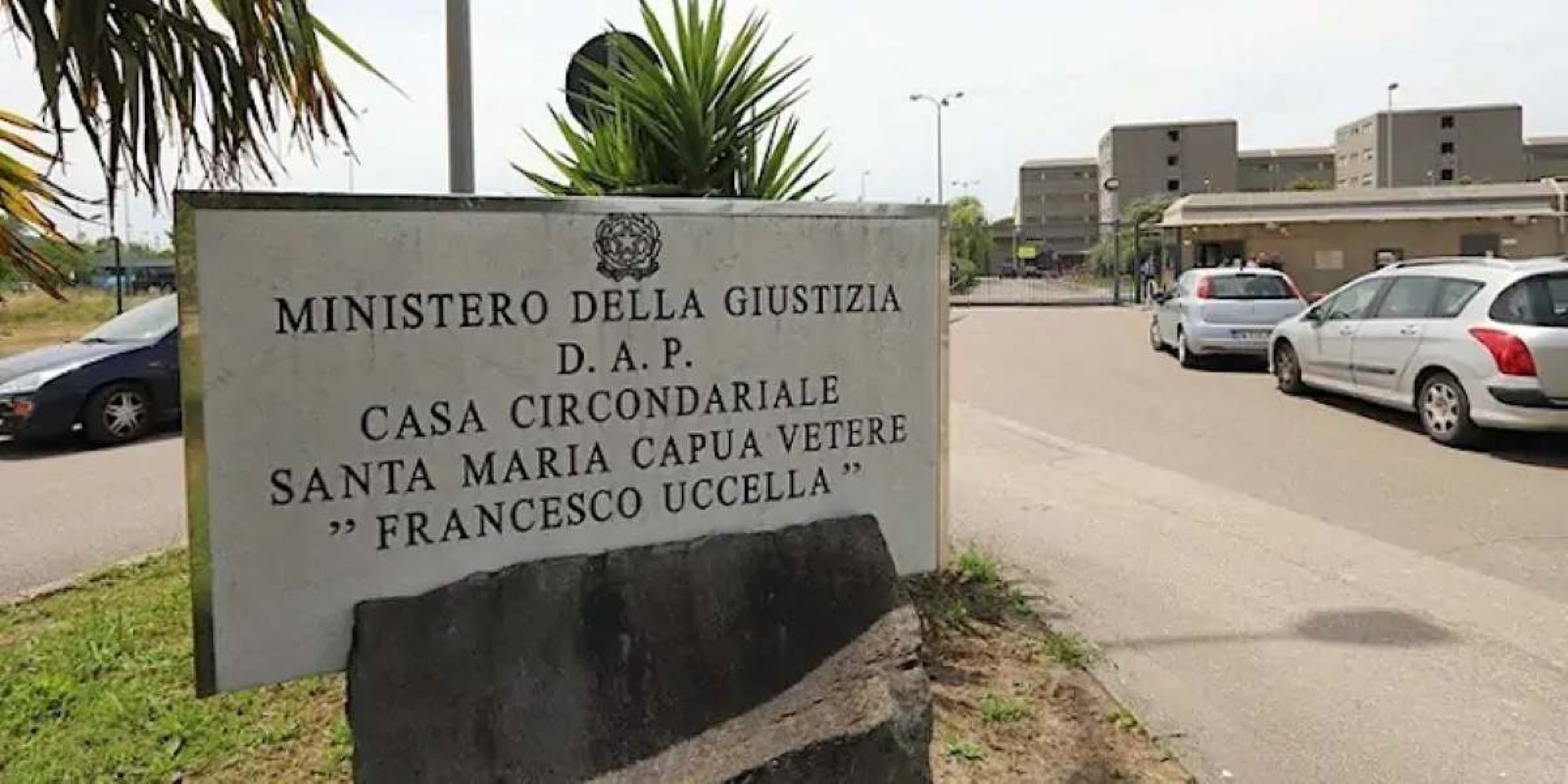
During the maxi-trial currently taking place in the bunker courtroom of the Santa Maria Capua Vetere prison, lawyer Paolo Conte, representing Vincenzo Cacace's family, described the wheelchair-bound prisoner's case as a prime example of "state torture." Cacace, who suffered from serious conditions including hypertension, anemia, insulin-dependent diabetes, and heart problems, was confined to a wheelchair and assisted by another prisoner.
The lawyer reconstructed how the inmate was beaten with a truncheon by prison officers on April 6, 2020, despite being clearly disabled. Internal prison footage captured these acts of violence. In addition to the beatings, Cacace suffered a lacerated and contused head wound and intense psychological suffering, amid fear and humiliation, aggravated by the fear of further retaliation.
According to the defense, the prisoner was denied medical checkups and appropriate care during his detention, which led to a serious deterioration in his health. After his release, Cacace suffered from anxiety and depression, which continued until his death in June 2022.
Attorney Conte requested the conviction of 65 of the defendants, including prison officers, officials from the Department of Penitentiary Administration (DAP), and doctors, in line with the prosecutor's requests, arguing that the violence and omissions caused serious and lasting harm, both physically and morally.
The trial continues to address responsibility for the 2020 beatings, an event that shocked public opinion due to the nature and severity of the violence documented within a detention facility.
Key points on the Santa Maria Capua Vetere maxi-trial
Here is a summary of the main aspects that emerged from the maxi-trial regarding the violence in the Santa Maria Capua Vetere prison.
- Inmate involved: Vincenzo Cacace, disabled and with serious medical conditions.
- Accusations: Aggravated violence and medical negligence by prison officers.
- Defense request: 65 defendants, including officers and officials, were convicted.
- Health conditions: Denial of medical checks and appropriate care while in detention.
- Psychological impact: Cacace suffered from anxiety and depression until his death in 2022.