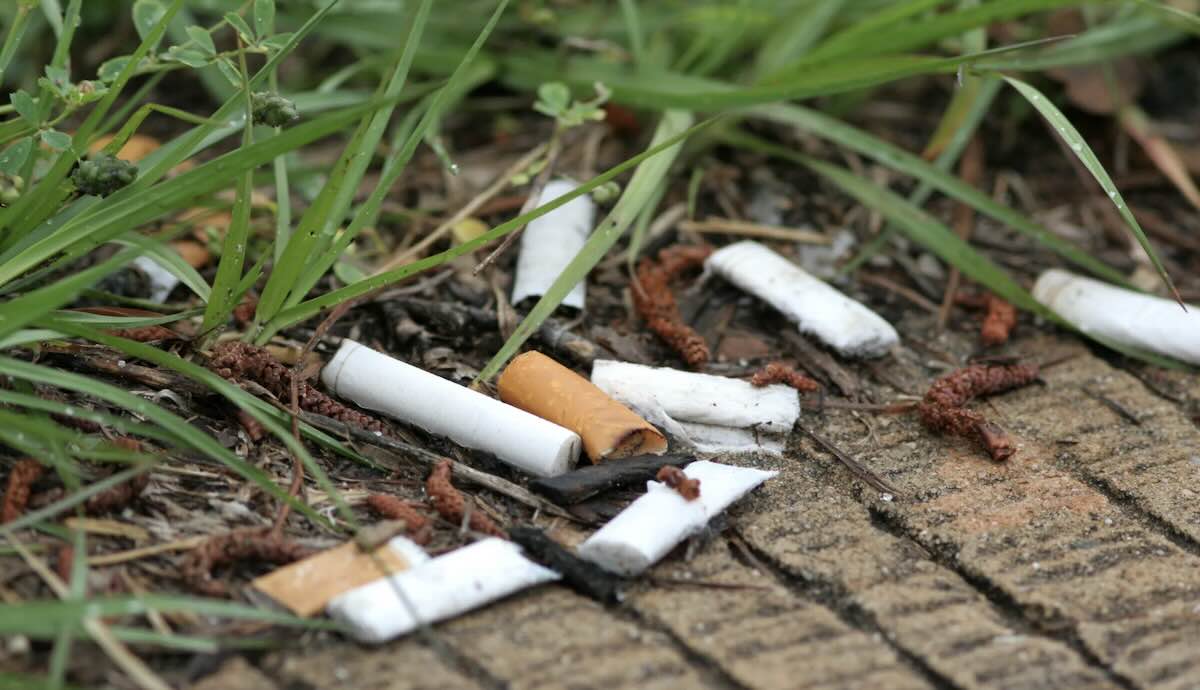
A study conducted by Legambiente Campania highlighted the massive presence of waste in Naples' parks, highlighting how cigarette butts and plastic make up the majority of the abandoned materials.
The survey, called "Park Litter," monitored 11 urban green spaces, collecting a total of 822 pieces of litter, with an average of approximately 0,6 pieces per square meter. Cigarette butts accounted for more than half of the total, 52,4%, with 431 items identified.
Plastic dominates, accounting for 82% of collected waste, followed by paper and cardboard (8,8%), metal (4%), and glass and ceramics (0,73%). A smaller portion, equal to 3,4%, includes materials such as rubber, treated wood, and textiles. Among plastic waste, unidentifiable fragments (11%) and snack and candy wrappers (7,2%) stand out. Disposable products and packaging such as bottles and cans also account for 10% each.
The most critical areas are around benches, picnic tables, and trash cans, where approximately 38% of waste is concentrated. Francesca Ferro, director of Legambiente Campania, emphasizes that cigarette butts represent a persistent environmental problem: cigarette filters, made of plastic, do not degrade easily and fragment into microplastics that contaminate soil and water even years later.
The investigation highlights an often invisible emergency that significantly contributes to urban pollution, calling for greater attention and responsibility from citizens and institutions to preserve the city's green spaces.
Key points on pollution in Naples' parks
Here is a summary of the main findings of Legambiente Campania's survey on waste in Naples' parks.
- Cigarette butts: They constitute 52,4% of the waste collected.
- Plastic waste: They represent 82% of total waste, including packaging and fragments.
- Critical areas: About 38% of waste is concentrated around benches and picnic tables.
- Environmental impact: Cigarette filters break down into microplastics, contaminating soil and water.
- Call to action: The survey calls on citizens and institutions to take greater responsibility in waste management.