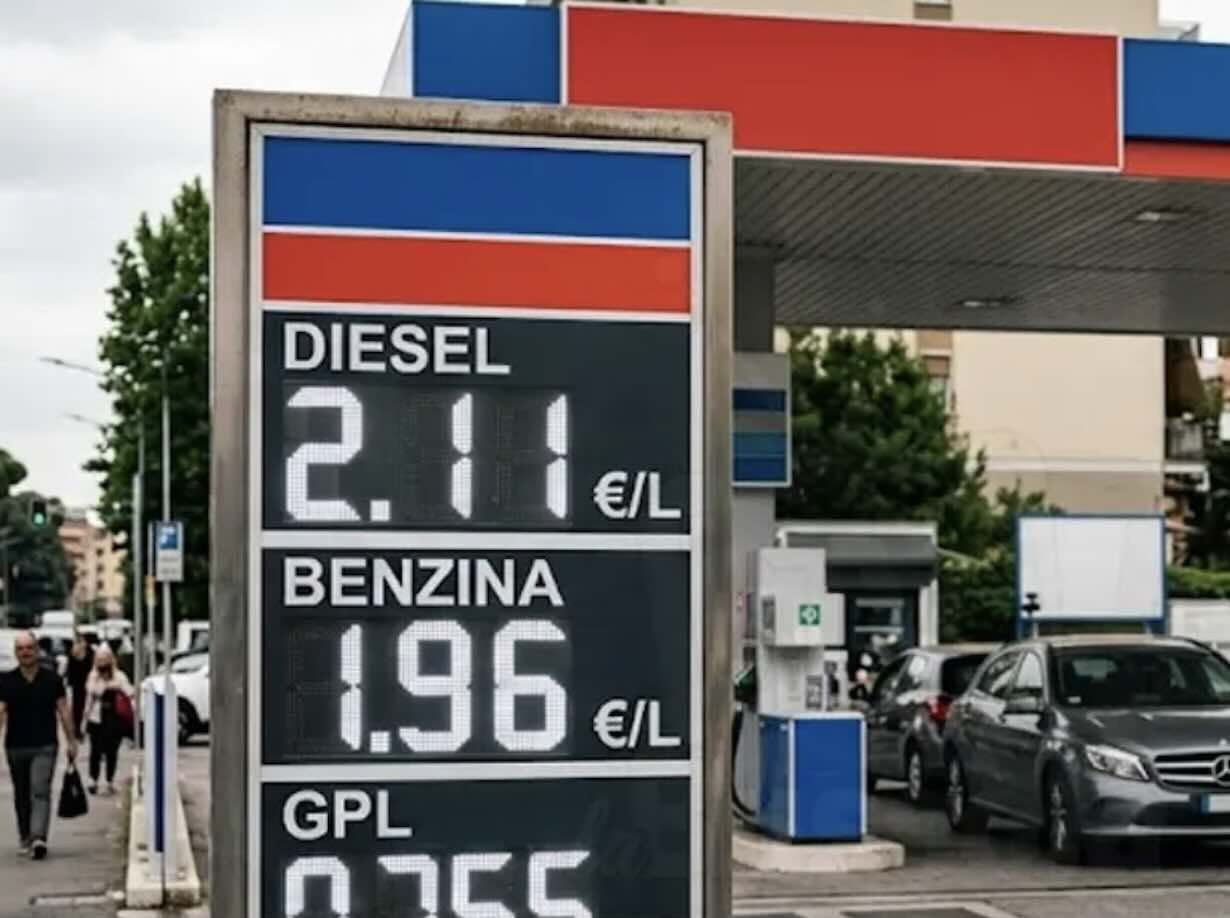
Naples – A regional technical committee to address the fuel price crisis and its impact on non-scheduled public transportation, starting with taxis. This is the request formally submitted by the Consumer Movement to the Campania Region in a note addressed to President R. Fico, Vice President and Councilor for Transportation M. Casillo, and Councilor for Productive Activities F. Bonavitacola.
The request comes after the association's participation in the roundtable meeting convened at the Naples Prefecture on July 31st, dedicated to the situation resulting from the increase in fuel prices. According to the Consumer Movement, the emergency is having an increasingly significant impact on the costs incurred by non-scheduled public transport operators.
«Fuel is one of the main cost items»
The document, signed by attorney Osvaldo Ciriello, emphasizes that fuel represents one of the main expenses required to maintain daily service. This increase in costs, according to the association, risks progressively worsening the economic conditions of operators.
The problem, from the Consumer Movement's perspective, doesn't just concern taxi drivers. The economic viability of businesses and workers in the sector is directly linked to the ability to provide citizens with an "essential" mobility service, used daily by residents, workers, tourists, and other regional users.
The request to the Region
Hence the request for direct intervention from the Campania Region, called upon to assume a coordinating and promotional role through the establishment of a regional technical committee.
The body should bring together the relevant institutions and industry representatives to identify "urgent and concrete support measures" to address the emergency caused by rising fuel costs.
The Consumer Movement also calls on the Region to accept the proposal already put forward by the Basic Taxi Drivers Committee, recalled in the same statement and already relaunched by the local press.
«Timely and concrete comparison»
The request is to quickly initiate institutional dialogue. For the association, the gravity of the situation requires a process that goes beyond simply analyzing the problem, but is also aimed at identifying solutions capable of protecting operators and, at the same time, guaranteeing the continuity of non-scheduled public service to citizens.
The note was sent on September 1st and concludes with a request for a "positive and prompt response" from the Region.
The key, therefore, is to find a balance between the economic sustainability of a sector directly impacted by soaring fuel costs and the need to ensure continuity of a service considered essential for regional mobility.