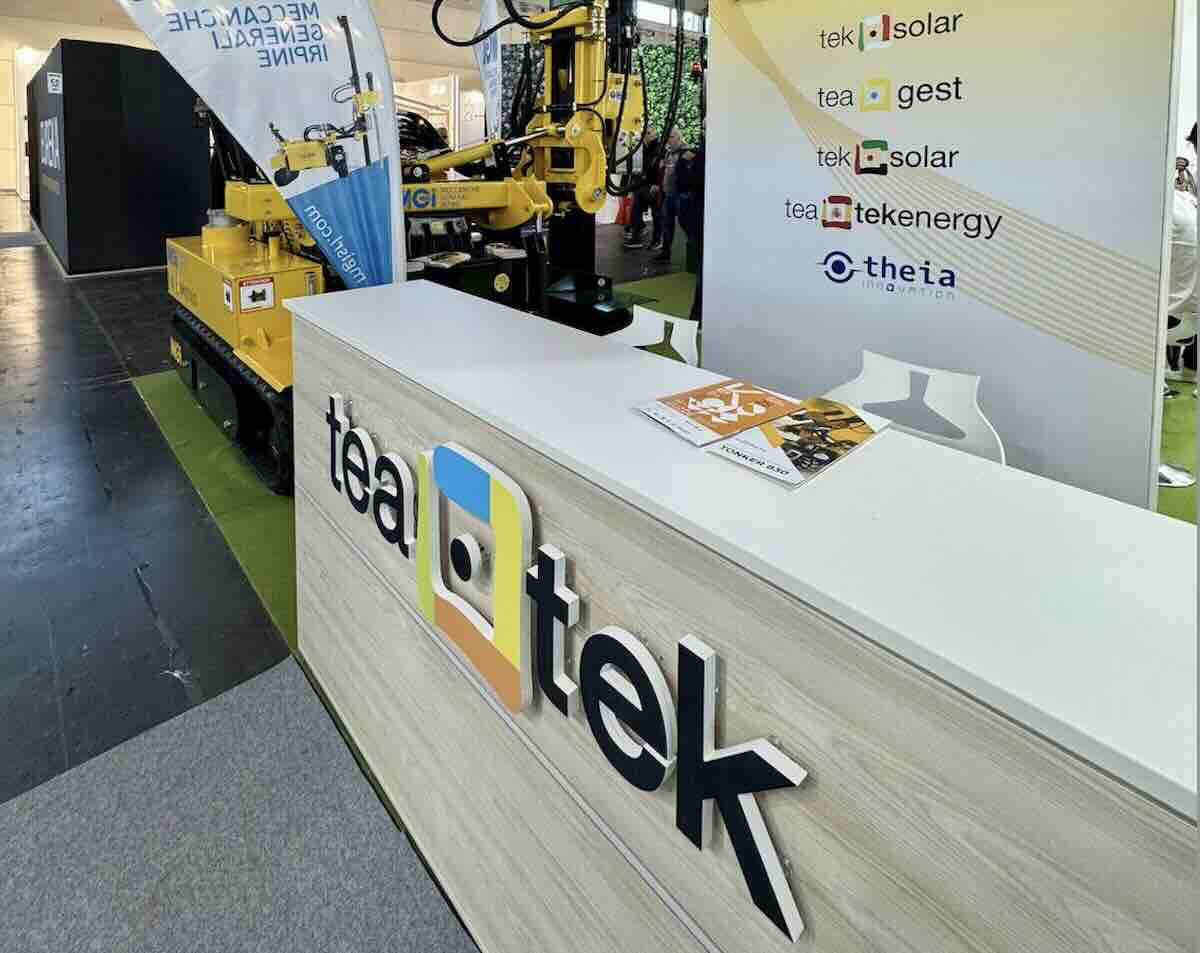
The QUANTIA – QUANTum Infrastructure & Artificial Intelligence Alliance project, led by Tea Tek, has received approval from the Ministry of Business and Made in Italy, with funding of over €3,7 million. The initiative, presented as part of the Sustainable Growth Fund – Innovation Agreements, aims to develop quantum infrastructures integrated with artificial intelligence in Naples, consolidating the city as a national and European hub for quantum computing.
With a total eligible budget of nearly €6 million, QUANTIA envisions the development of hardware, software, and control systems to make quantum architectures more scalable. The project is the result of a collaboration between several stakeholders: in addition to Tea Tek, the lead partner, the Italian Green Factory, the University of Naples Federico II (Ettore Pancini Department of Physics), Agilae, and Virtual IT Consulting are also participating. This network combines industrial capabilities, advanced manufacturing, scientific research, system integration, and innovation management, fostering technology transfer between universities and businesses.
QUANTIA represents an evolution of the process begun years ago at Federico II, with the aim of transforming local scientific expertise into technologies, patents, and industrial applications. The Italian Green Factory platform, born from the reindustrialization of the former Whirlpool site, thus takes on a new, highly innovative industrial dimension.
Felice Granisso, CEO of Tea Tek and Italian Green Factory, emphasized how the project confirms the group's strategy of investing in quantum technologies alongside renewables and data centers, helping to strengthen Southern Italy's expertise. Furthermore, collaborations with Federico II University are leading to the development of a patent for calibrating quantum computers using artificial intelligence.
The successful outcome of this initiative confirms Naples as an advanced center for quantum research and development, capable of attracting investment and specialized talent thanks to a combination of scientific innovation and industrial capacity.