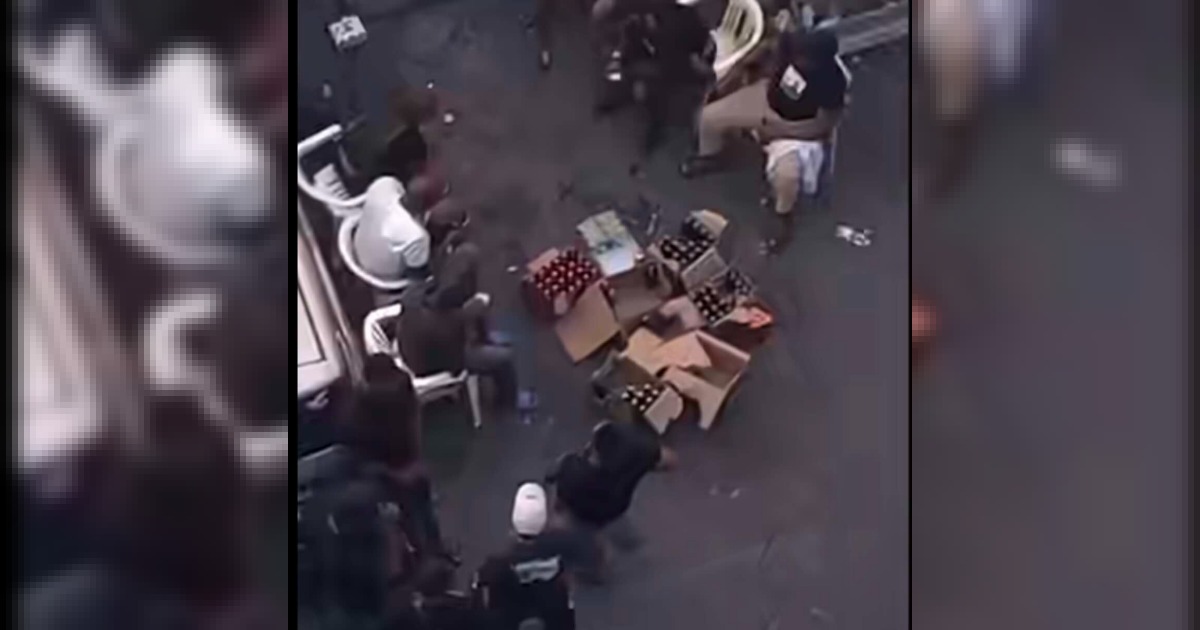
Naples – First a gathering fueled by alcohol abuse, then a pickpocketing of a passerby, and finally a brawl in the middle of the street. This is the sequence of events recorded on Saturday, September 5th, on Via Carriera Grande, near Porta Capuana, where yet another night of unrest sparked protests by local residents.
Residents, who documented the incident in a series of videos sent to authorities and the press, describe an unbearable climate that persists daily until dawn, hampering normal life in the neighborhood.
A chronic emergency
Last weekend's incident represents just the latest in a series of years of urban decay in Porta Capuana. Within the neighborhood, residents and business owners report a pattern of drug dealing, assaults, and fights, which have on several occasions resulted in serious incidents. This widespread insecurity is driving many residents to limit their evening outings.
MP Francesco Emilio Borrelli, who had been on site some time ago to gather local concerns, has once again spoken out on the matter.
"Citizens cannot be forced to barricade themselves in their homes," the MP declared. "In this area, we can no longer talk about isolated incidents. Where there is no state presence, no enforcement, and no prevention, crime finds fertile ground. This is not a phenomenon unique to Naples, but a land management problem widespread in many Italian cities. We don't need occasional interventions after an emergency, but permanent, continuous police presence."
Urban decay at Porta Capuana
The situation at Porta Capuana reflects a broader problem of safety and urban decay that afflicts many Italian metropolitan areas.
- Chronic emergency: Residents report daily disturbances, including fights and muggings.
- Insecurity: Many residents limit their evening outings due to fear of attacks.
- Request for intervention: Citizens are calling for a greater police presence.
- Widespread situation: Degradation is not a problem unique to Naples, but affects many Italian cities.
- Need for prevention: Occasional interventions are not enough; permanent facilities are needed.