


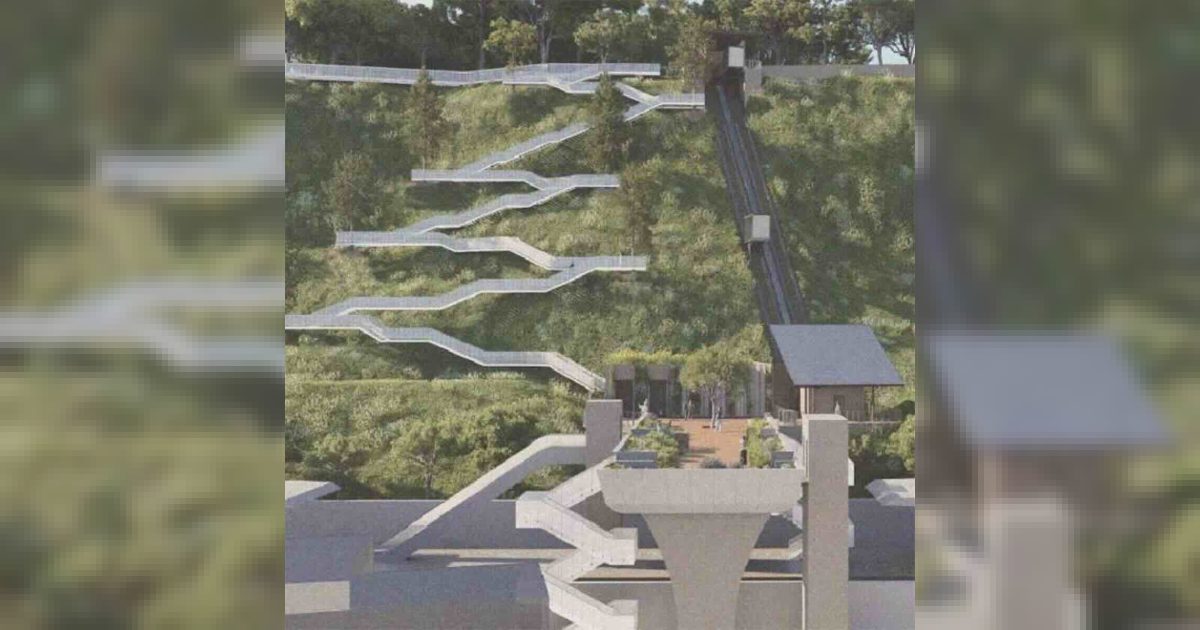


Castellammare – A battle against concrete or institutional distraction? All the unresolved issues regarding Lot III on Monte Solaro raised by the Democrats and Progressives of Castellammare: from the uncertain ownership of the executive project to the opaque contacts with the expropriating companies, including the change of designers and the waltz of institutional opinions.
A strategic project or an administrative maze? The genesis of the case
The project, called "Lot III – Inclined elevator and parking lot on Monte Solaro serving the Castellammare Centro station," represents one of the most controversial and complex infrastructure projects in the Castellammare del Golfo area. At the center of the political and institutional debate is Resolution No. 436 of the Campania Regional Council of August 6, 2026. This measure opens the door to a change to the Urban Territorial Plan (PUT, Regional Law No. 35/1987). However, a careful reading of the documents raises profound questions about the regularity, transparency, and coherence of the entire administrative process.
Before the proposed variation is sealed by a vote in the Regional Council, the Democrats and Progressives argue that a truth-finding operation is needed. We're not dealing with mere bureaucratic quibbles or meaningless formalities: the affected area—Mount Solaro—is an incredibly fragile place, subject to stringent landscape, environmental, and archaeological constraints, where every blow of the pickaxe and every pour of concrete risks permanently damaging the landscape.
Who's signing what? The mystery surrounding the project's authorship and EAV's role
The first Gordian knot to unravel concerns the intellectual and procedural authorship of the project. The formal preamble to the regional resolution states that the executive project for Lot III was proposed directly by the Castellammare di Stabia municipal administration. Yet, delving into the chronology of the documents, the institutional situation appears to be reversed: it was the City Council that deliberated and pushed for the implementation of the PUT variation, based on input from a project by EAV (Autotramviaria Vesuviana).
The institutional short circuit: Where does the proposal really come from? What is the scope of action that separates the offices of Palazzo Farnese from the upper levels of EAV?
The role of the contracting authority: It remains unclear why EAV Srl, acting as the implementing body, chose to independently call a Services Conference, preparing and reworking a new Technical-Economic Feasibility Project (TEFP) intended to replace the previous one, which was subsequently scrapped.
This overlapping of roles is not a negligible detail: in a high-risk archaeological area, precisely identifying who develops, proposes, and approves defines the political and criminal liability in the event of disputes or environmental damage.
The "attentions" of private individuals and the shadow of expropriated companies
A particularly delicate chapter concerns the discussions between public bodies and the private entities involved, with particular reference to the expropriated companies.
A reading of point f.5 of the resolution reveals requests, briefs, and project proposals put forward by external parties, among which the company Prominvest Srl stands out. The file, however, is silent on the key points of these relationships:
Frequently asked questions about the inclined lift and parking project on Monte Solaro
Here are some common questions regarding the Monte Solaro inclined elevator and parking project, which may help clarify the main points.
What is the main goal of the project?
The project aims to build an inclined elevator and a parking lot on Monte Solaro to improve accessibility to the Castellammare Centro station.
What are the main concerns raised by Democrats and Progressives?
Concerns include the transparency of the administrative process, the ownership of the project and potential environmental damage.
What role does EAV have in the project?
EAV has been identified as the implementing entity that proposed the project, but there are doubts about its actual responsibility and decision-making process.
What environmental constraints were imposed on the project?
The project must comply with landscape, environmental, and archaeological constraints, with specific requirements regarding paving and vegetation.