Elderly Prisoners in Italy: A Humanitarian Emergency, Challenges, and Prospects for the Penitentiary System
The growing presence of elderly inmates in Italian prisons highlights serious structural and humanitarian issues. Between health challenges and the lack of adequate alternatives, the situation calls for a profound reflection on the role of prisons and social policies for the elderly.

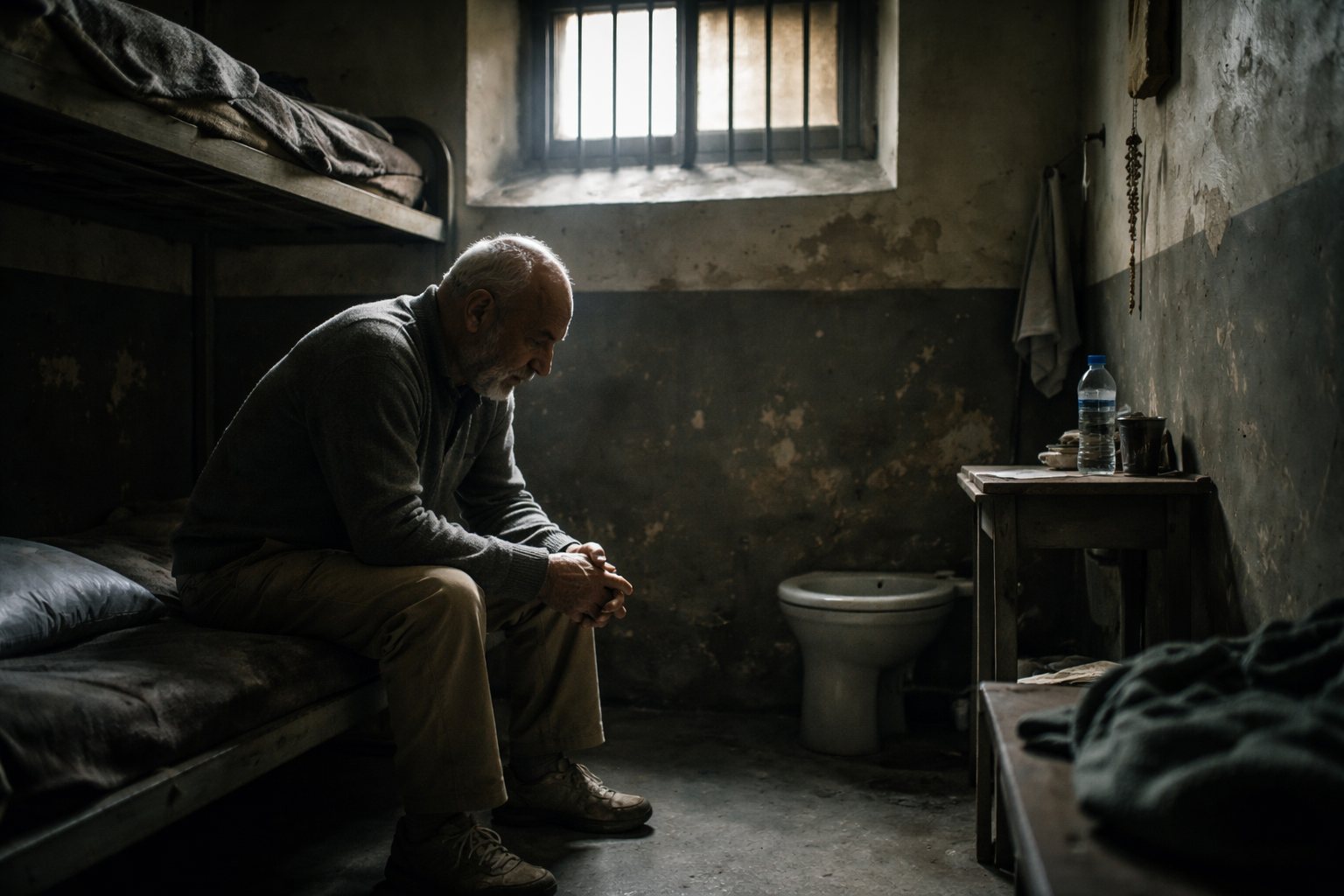
The story of the 87-year-old man locked up in the Sollicciano prison cell, with serious health problems and a conviction stemming from a car theft, has sparked a significant discussion about the conditions of elderly inmates in the Italian penitentiary system. This is not an isolated case, but a structural situation affecting dozens of elderly people in the country's prisons, highlighting a humanitarian emergency with social, health, and legal implications.
The growth of the elderly prison population
In recent years, the percentage of prisoners aged over sixty and over ninety has increased significantly. This phenomenon is due to several factors, including the aging of the general population, the length of sentences, and the rigidity of prison policies that limit alternatives to detention for those of critical age and health conditions. The consequences are clear: prison facilities, designed to house individuals in better general physical condition, are often inadequate to meet the needs of this age group of prisoners.
Health and social difficulties in prisons
Italian prisons are not equipped to adequately care for older people with chronic conditions, disabilities, or special needs such as liquid nutrition. Prison officers often find themselves forced to perform nursing and social work roles, without the specific skills or necessary support, in environments that can be harmful to the health and dignity of the most vulnerable inmates.
Furthermore, the lack of relatives or community support networks, as in the case of the 87-year-old man without a family, exacerbates the situation, forcing the system to find alternative solutions that are often temporary or inadequate.
Alternatives to detention: residential care homes and social reception
One option for alleviating this problem is to transfer elderly inmates to residential care homes (RSA) or specialized reception facilities. However, this solution is not always accepted by those directly affected, who are often concerned about the distance or loss of independence. Furthermore, there are not always sufficient or adequate places available to accommodate people from the penitentiary system, especially in the short term.
The role of justice and institutions
The situation also has significant legal implications. Judges, prosecutors, and the Department of Penitentiary Administration (DAP) must grapple with the need to balance the certainty of punishment with respect for human rights and dignified living conditions. Recent seizures of prison units for security and suitability reasons, as in the case of Sollicciano, further complicate the transfer and management of prisoners.
Institutions are called upon to consider a reform that provides alternatives to detention for the elderly and disabled, investing in dedicated facilities and integrated care programs. This is a matter of protecting the dignity and sustainability of the penitentiary system, requiring a shared commitment between justice, healthcare, and social policies.
Conclusions
The case of the eighty-seven-year-old from Naples is emblematic of a broader and more pressing issue. The aging prison population requires a review of management and care models to prevent punishment from becoming a sentence of suffering and isolation. Media attention is a first step toward stimulating a necessary debate and promoting a more humane and functional system that respects the rights of all, regardless of age.
Also worth reading: this insight stems from a fact reported in the article 87-Year-Old Neapolitan Ends Up in Jail for Car Theft , which opened a broader topic to explain and contextualize.
Breaking News
Pompeii, European Researchers' Night: Public talks with Park experts at the Fiorelli Library
The Archaeological Park of Pompeii is participating in the European Researchers' Night by offering an evening of… Read more
From Casoria to national TV: Dave Ciano's first book explores music and AI.
Casoria - An artistic journey that begins with music and culminates in writing, capturing the attention of... Read more
Napoli, Anguissa stops again: low-grade adductor injury
Another injury for Frank Zambo Anguissa. The Napoli midfielder, who has been struggling with... Read more
Scec: Storage & Solar Expo Conference kicks off in Vicenza
Vicenza - SSEC – Storage &… opened this morning at the Vicenza Exhibition Center. Read more
Caserta's swimming stadium remains closed: another year without classes.
The Caserta Swimming Stadium remains closed. The facility, owned by the Province, on Via… Read more
Tullio De Piscopo's Miranda on Vinyl and four days of events in Naples and Rome
The new vinyl Miranda, released by Sony Music Italia on September 25, kicks off… Read more

National Newspaper
Registration No. 1301 of 2016 – ROC 030531
Director: Giuseppe Del Gaudio
To contact the editorial staff click HERE |
Download our Official ANDROID APP