Trecase, three illegal buildings demolished in the Vesuvius red zone

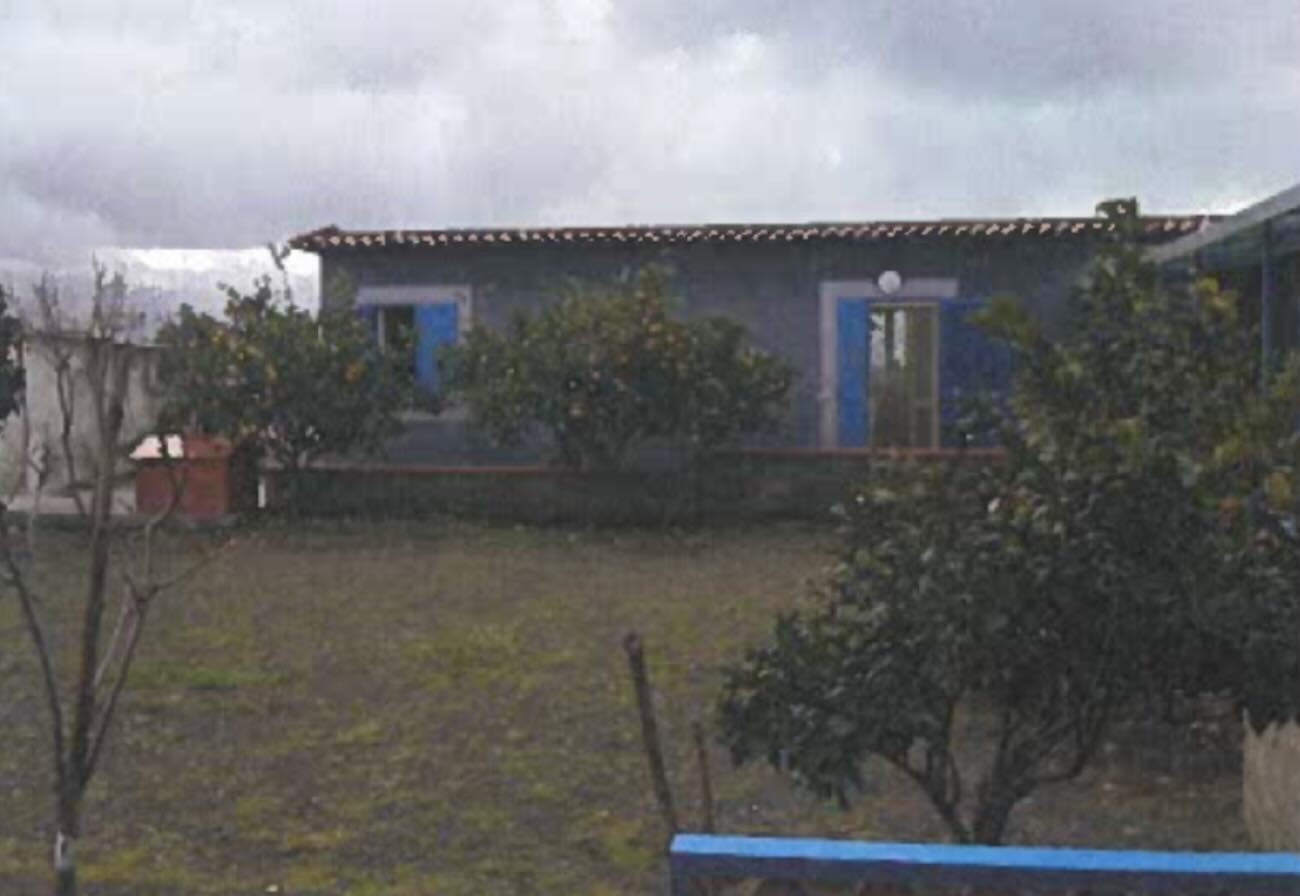
One of the demolished works
Bulldozers destroyed three buildings that had transformed the agricultural land at Via Cantinelle 21 into an unauthorized residence and warehouse. The first structure, just 5 square meters in size but with a 2,65-meter-high reinforced concrete floor, was a veritable mini-apartment—an entrance hall, living room, bedroom, and bathroom—built as an extension of an existing 6-square-meter space.
The second, much larger, occupied 42 usable square meters (about 50 gross) and was flanked by small storage areas covering another 27 gross square meters, with an internal height of 2,50 meters. The structure was completed by an iron and plexiglass canopy protecting a 13-by-2-meter paved walkway, bordered by a low wall. The entire structure was used for residential and storage purposes, in clear violation of building and landscape regulations.
An area protected by restrictions
The demolition project takes on even greater significance when considering the network of protections surrounding that small plot of land on the slopes of Vesuvius. The entire area, in fact, is subject to landscape restrictions under the Vesuvian Municipalities' Territorial Landscape Plan, protecting its scenic beauty and typical vegetation.
Added to this are the hydrogeological constraints and the volcanic risk classification established by the Basin Authority's Hydrogeological Management Plan, which requires management of rainwater along the volcano's slopes. The Trecase Municipal Urban Plan classifies Via Cantinelle among the "agricultural areas of landscape value"—vineyards and orchards—and the urban areas requiring redevelopment (AU3 zones).
As if that weren't enough, the municipality has been classified as a category II seismic site since 1981, and the entire area falls within the red zone of high volcanic risk under Regional Law 21/2003. Any modification to the land, in this context, would have required a series of permits, which were completely lacking here.
2006 ruling, execution in car demolition
The demolition now completed finally fulfills an order resulting from a conviction issued by the Torre Annunziata Court dating back to 2006. Nearly twenty years later, the Public Prosecutor's Office's relentless awareness-raising efforts have led to a positive outcome: the owner of the illegal buildings has now proceeded with self-demolition.
No expenses were advanced by the Municipality of Trecase or the Cassa Depositi e Prestiti. This result, the Prosecutor's Office considers an "irreplaceable tool" for land protection, capable of combining the repressive effectiveness of environmental restoration with the deterrent power of concretely visible action against illegal construction.
Breaking News
Which 4-star hotels with wellness areas are near the Royal Palace of Caserta?
Those who visit the Royal Palace of Caserta, the residence of the Bourbons of the Two Sicilies, often… Read more
New heatwave hits Italy: Naples nears 36 degrees, peaks up to 41
A new and intense heat wave is poised to hit Italy. The African anticyclone will return... Read more
FlixBus strengthens connections in Campania and launches the 'Southisfaction' initiative for sustainable travel.
FlixBus expands its summer routes in Campania with new routes to Puglia and Romagna and… Read more
Benevento, drug checks: 50 grams of hashish seized
The Guardia di Finanza's efforts to combat drug trafficking in the… Read more
Rockfall on the Amalfi Coast highway, road to Positano closed
Vico Equense - Rocks on the State Road: the section of the State Road is closed in both directions… Read more
Castel Volturno: Commander Chiariello threatened during anti-poaching checks.
Castel Volturno - Tension erupts on the Caserta coast during an operation to combat environmental crimes and… Read more