Naples: A baby girl is born after a swapped embryo, but she's not the couple's biological daughter. The Prosecutor's Office is investigating.
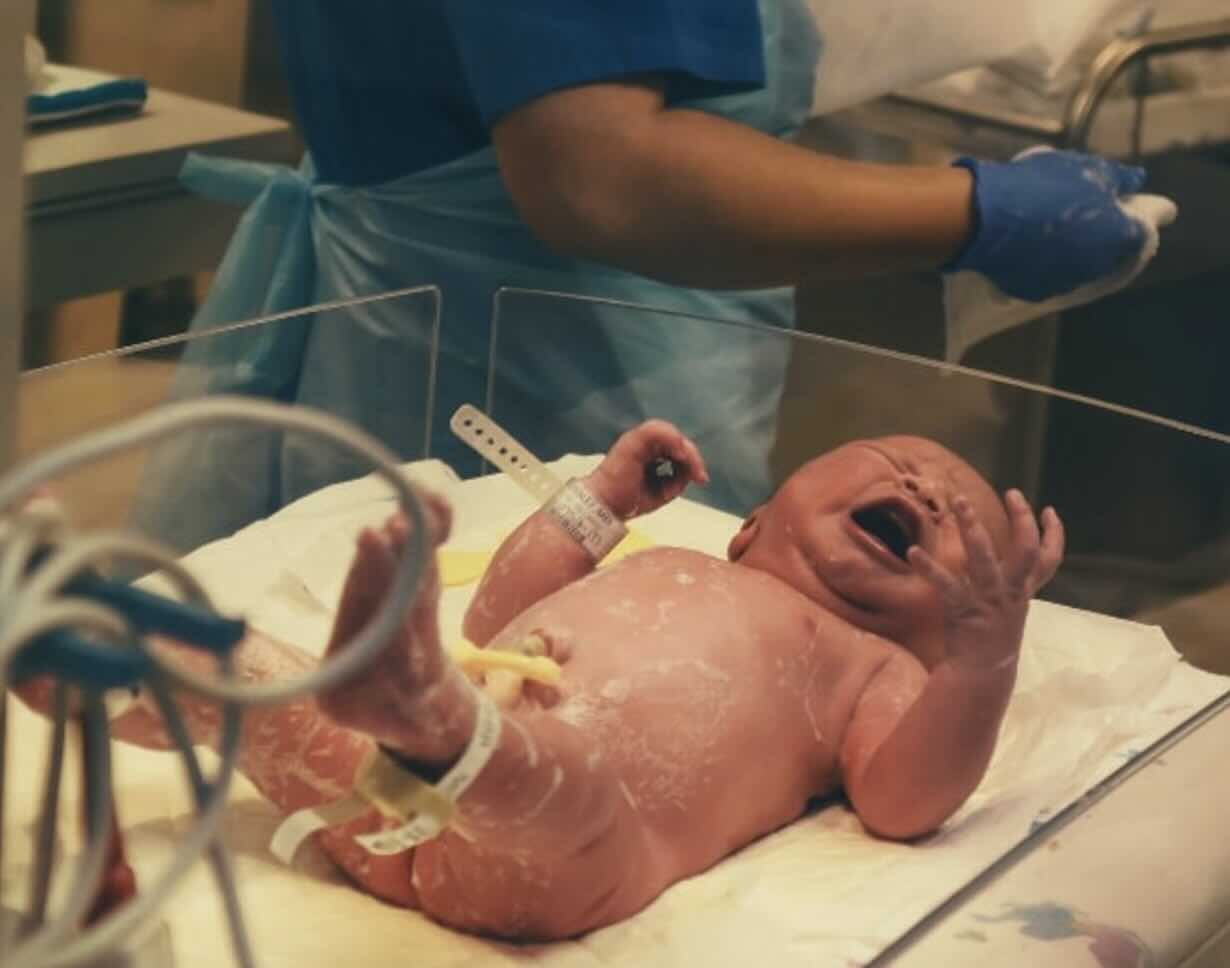
Naples, investigation into a case of a swapped embryo
Naples – They had decided to re-enter the medically assisted reproduction process to have a second child. A Neapolitan couple, a 41-year-old man and a 36-year-old woman, had five cryopreserved embryos and had chosen to use one of them.
On June 3, 2025, a baby girl was born. A birth that should have culminated a long and complex journey, but which soon after turned into a family tragedy.
The first doubts arose when the couple was told the baby's blood type was incompatible with that of the two parents. Further investigations followed, culminating in a genetic test that revealed the most shocking finding: the baby is not biologically the couple's daughter.
The DNA test and the complaint
The discovery prompted the two parents to turn to the judiciary. Last July, assisted by lawyer Francesco Petruzzi, they filed a complaint with the Naples Prosecutor's Office.
According to the couple, the case raises the hypothesis that an embryo exchange may have occurred during medically assisted procreation procedures.
This hypothesis, at this stage, will have to be verified by investigators by reconstructing all the phases of the procedure and the protocols adopted by the center.
The tests at the assisted reproduction center
The Naples Public Prosecutor's Office has opened a file, still pending, into the hypothesis of negligent injury.
The investigations were entrusted to the Carabinieri of the NAS of Naples, on behalf of the prosecutor Stella Castaldo, of the Work and Professional Negligence section, coordinated by the deputy prosecutor Antonio Ricci.
The military conducted checks at the medically assisted reproduction center at the San Paolo hospital in Fuorigrotta to reconstruct the management of the embryos and verify any anomalies in the identification, preservation, and transfer procedures.
The question that torments parents
For the couple, however, the problem is not only about what happened to their little girl.
"When we discovered the embryo swap, we were in a whirlwind of emotions," the father says. He adds that he wondered if his embryos might have been transferred to another couple.
This is, today, one of the most painful questions of the affair: if there had actually been an exchange, could there exist elsewhere a child who was biologically the child of the couple, born and raised within another family?
This hypothesis will need to be verified by investigators and, precisely because of its significance, makes the ongoing investigations particularly delicate.
"We want to raise this little girl."
Despite the discovery of a genetic link, the couple say they have developed a bond with their baby and plan to continue caring for her.
"We have recognized the little girl and we intend to raise her," the parents explain.
On a human level, therefore, the story takes on an even more complex dimension: on the one hand, the search for the truth about any mistake made during the IVF procedure, on the other, the emotional relationship with a little girl the couple now considers their own.
«From exchange in the cradle to exchange in the womb»
Lawyer Francesco Petruzzi talks about a case with profound psychological consequences.
"We've gone from cradle-to-womb exchange," the lawyer claims, adding that there could also be psychological damage that needs to be quantified.
Now it will be up to the Prosecutor's Office to establish what really happened at San Paolo, identify any responsibility, and above all, reconstruct the chain of custody and identification of the embryos.
Because the investigation isn't just about verifying a possible medical error: it could involve the overlapping histories of multiple families and children biologically linked to the wrong parents. A possible embryo swap, if confirmed, would raise questions of enormous significance, not only from a judicial, but also from an ethical and legal perspective.
The regulatory framework
In Italy, the main reference is Law 40 of 2004, which regulates assisted reproduction and establishes precise rules for embryo protection and access to assisted reproduction techniques. Over the years, the legislation has been profoundly influenced by interventions by the Constitutional Court and by case law, with a progressive opening up from the original framework of the law.
Regarding cryopreserved embryos, the issue is particularly delicate: identification, preservation, handling, and transfer must be carried out according to procedures that guarantee the correspondence between embryo and couple. In the Naples case, therefore, the key to the investigation is not only to determine whether there was a material error, but also to reconstruct at what stage of the procedure the mixup may have occurred, how many embryos may have been involved, and, above all, whether the possible error had consequences for other couples.
Furthermore, a significant misunderstanding must be avoided: the birth of a child genetically unrelated to the couple who underwent IVF does not automatically mean that "embryo swapping" has already been confirmed. Currently, according to the text provided, this is the hypothesis raised in the complaint and the subject of investigation by the Prosecutor's Office.
And this is precisely the journalistically most powerful aspect of the story: not a simple laboratory anomaly, but the drama of a couple who find themselves wondering about the possible existence of their biological child being raised by another family, while a little girl has come into the world and the parents declare they want to raise her.
Breaking News
Rita De Crescenzo and the monkey purchased in Egypt: Borrelli files a complaint
A baby primate shown on social media being held in arms, dressed in… Read more
Naples, from the prison cells at Capodichino Airport to freedom: a dramatic turn of events for "traveler" Raffaele Bavero.
Naples - A plot worthy of a legal thriller has unfolded in the last few hours... Read more
Pozzuoli earthquake leaves over a thousand families homeless. Work continues on trains, water, and cultural heritage.
The spotlight is turned off on the sixteenth edition of "Segreti d'Autore," the festival conceived by Ruggero… Read more
Naples, Colli Hospital: Anna Corcione appointed Disability Manager
Naples - Building a more inclusive work environment, where everyone's skills… Read more
Simone Cristicchi in Agerola: twenty years of music and lyrics in the name of Salvatore Di Giacomo
Agerola - A twenty-year career summed up in a single, intense experience on stage. This evening, at… Read more
Pozzuoli: Via Montagna Spaccata reopens to traffic.
Pozzuoli - Via Montagna Spaccata, the road connecting Pozzuoli to Quarto, is now accessible again.… Read more

National Newspaper
Registration No. 1301 of 2016 – ROC 030531
Director: Giuseppe Del Gaudio
To contact the editorial staff click HERE |
Download our Official ANDROID APP