The gastronomic evolution of Naples before pizza
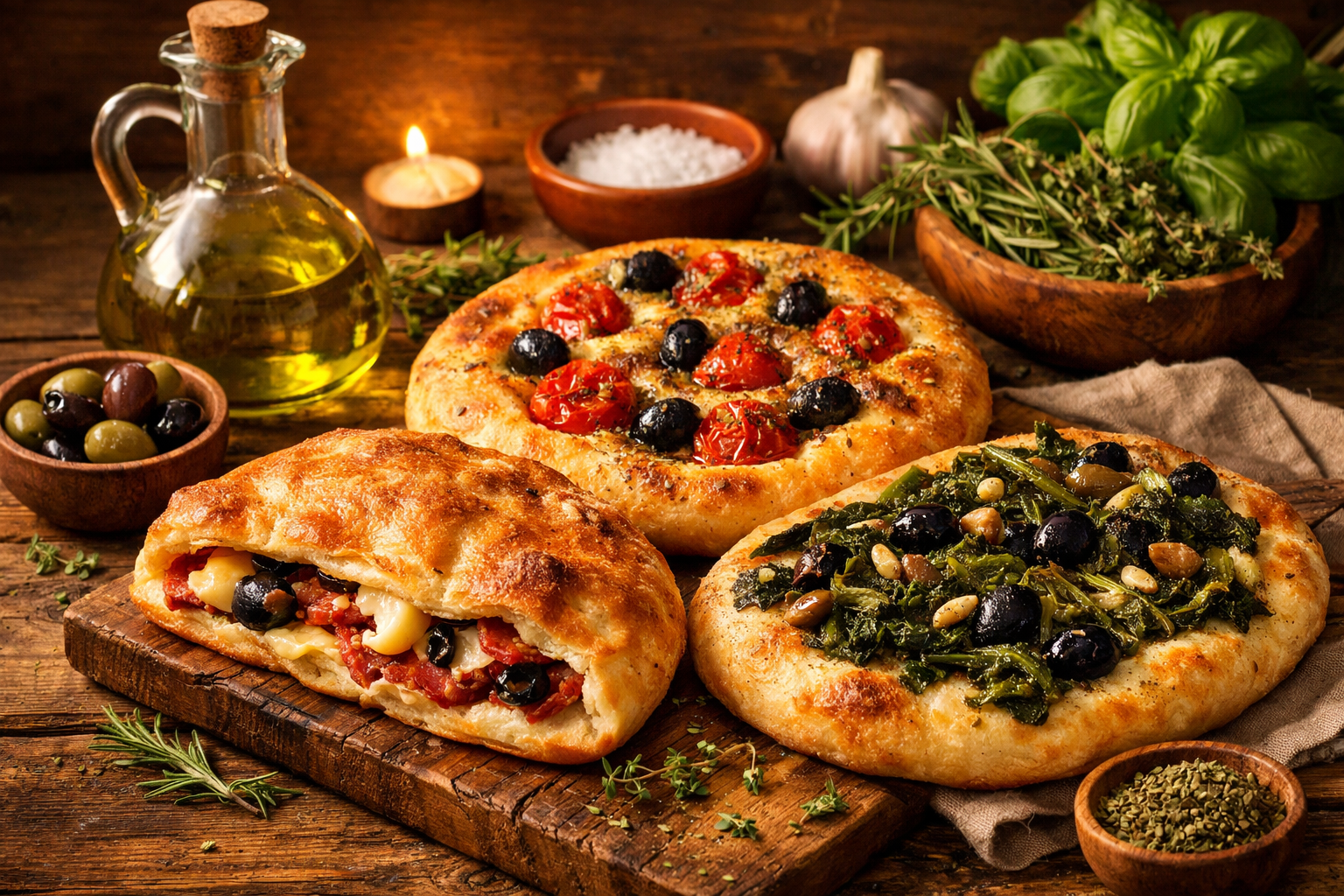
Before pizza became an icon of Naples, tables were filled with focaccias and breads topped with simple, local ingredients, direct ancestors of modern pizza.

The historical and cultural context of pre-pizza Neapolitan cuisine
Naples , now universally known as the home of pizza, has a very ancient culinary tradition that has evolved over time. Before pizza as we know it appeared, Neapolitans ate simple, readily available foods, especially bread and seasoned focaccia. Mediterranean cuisine, and Neapolitan cuisine in particular, has its roots in a millennia-old tradition dating back to Roman and Greek times, with influences that continued into the 18th century and beyond.
The ancestors of pizza: focaccia and seasoned breads
Before modern pizza, which developed primarily in the 18th century, the population of Naples ate various versions of flatbreads and flatbreads, enriched with simple ingredients like olive oil, herbs, local cheeses, and sometimes cured meats. These foods were easy to prepare and baked in communal wood-fired ovens, providing an affordable and nutritious meal for the common people.
Historical studies on Mediterranean cuisine and Neapolitan historical sources highlight how these focaccias were very popular, often eaten for lunch or as a snack during the day. These preparations can be considered direct ancestors of pizza, as they retain its basic structure: a flour dough baked in the oven, topped with local ingredients.
Documents and historical testimonies
Historical sources, including writings and accounts from the 17th and 18th centuries, refer to "flattened breads" topped with various condiments. In the text "Neapolitan Cuisine," by several culinary historians, "focacce" are mentioned, enriched with oil and aromatic herbs, especially rosemary and oregano, as well as fresh cheeses such as ricotta or caciocavallo. These dishes were common not only in rural areas but also in urban areas, especially among the lower classes.
The transformation towards modern pizza
The real turning point came with the introduction of the tomato to Naples in the 16th century, which was initially considered an ornamental or even poisonous food. Only towards the end of the 17th and the beginning of the 18th century did it begin to be used as a topping for bread, thus giving rise to what would later become pizza. The simple dough, combined with the topping of tomato, oil, basil, and cheese, represented a gastronomic revolution that quickly won over the population.
What to check
It's important to note that many sources on the history of Neapolitan and Mediterranean popular cuisine are the result of historical studies, but detailed and comprehensive documentation is often lacking due to the oral nature of many culinary traditions. It's therefore recommended to consult specialized academic texts and research by food historians for further information.
Conclusion
Neapolitan pizza didn't emerge from nowhere, but evolved from simple focaccias and seasoned breads typical of the local tradition. This gastronomic journey through time allows us to further appreciate the art and culture of Naples, a city synonymous with good food and conviviality.
Breaking News
Illegal races in the city center and sleepless nights: reports are issued and motorcycles are seized.
Cellole - Sleepless nights, roaring engines at full speed, and dangers in the heart of the city... Read more
- Naples News
- Chronicle Black
- Chain drive
- Flash NEWS
- live,
- Live
- Neighborhoods Naples
- Socials
- Stories
- Breaking News
- zoom meeting
Secondigliano: Five shots fired into the Di Lauro stronghold: new recruits attack
Naples - Five gunshots fired in rapid succession. According to initial reports, the shooter... Read more
Volla, 16-year-old stabbed for looking too much
Volla - Another night of violence, blood, and knives among the youth of Naples... Read more
Today's horoscope for September 28, 2026, by Paolo Tedesco
What do the stars have in store for us today? An energetic day, with Mars entering… Read more
Public competition for 6 military magistrates: entry into the military judiciary, announced by the Ministry of Defense
The Ministry of Defense is announcing a public competition for six positions as military magistrate reserved for… Read more
Ercolano: Mandatory mobility for 6 administrative positions (3 instructors and 3 collaborators)
The Municipality of Ercolano is opening a mandatory mobility program for six permanent positions in… Read more

National Newspaper
Registration No. 1301 of 2016 – ROC 030531
Director: Giuseppe Del Gaudio
To contact the editorial staff click HERE |
Download our Official ANDROID APP
