Naples, heart failure donation at Monaldi Hospital: liver and corneas removed
Naples, heart failure donation at Monaldi Hospital: liver and corneas removed
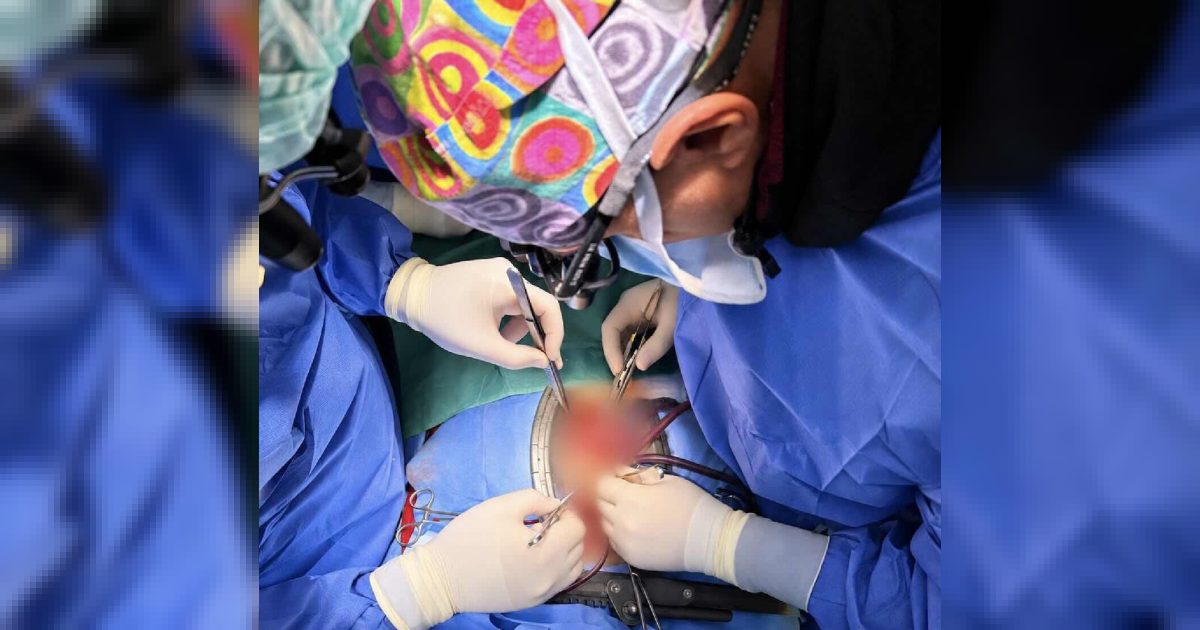
A technically complex non-cardiac donation was successfully completed at Monaldi Hospital in Naples. The procedure allowed for the removal of the liver and corneas, making organs and tissue available for patients awaiting transplants.
This is the second DCD donation made at Monaldi Hospital, thanks to an inter-company process involving various professionals, facilities, and expertise. The project was made possible primarily by the coordinated work between the Orthopedic Trauma Center and Monaldi Hospital, as part of the Regional Transplant Network.
The journey started at the CTO
The procedure began at the CTO, where the donor was hospitalized in the Intensive Care Unit directed by Dr. Giovanna Esposito, a facility affiliated with the Critical Care Department led by Dr. Antonio Corcione.
Procurement activities were coordinated by Dr. Eugenio Piscitelli, corporate coordinator, with the collaboration of Salvatore Notaro for Monaldi and Duilio Ferrara for the CTO. This initiated a process based on respecting the patient's expressed wishes and the decision of their family.
After the death was confirmed and the required procedures were completed, the blood was removed at Monaldi Hospital by Dr. Claudio Marra, director of the Innovative Procedures in Cardiac Surgery and Transplants Unit, along with surgeons Antonio Carozza and Cristiano Amarelli and the rest of the team.
A highly complex procedure
DCD donation, which stands for Donation after Circulatory Death, allows for the removal of organs after the irreversible arrest of circulation and the subsequent confirmation of death.
It's a particularly challenging procedure because, once blood flow is interrupted, organs can suffer damage from oxygen deprivation. Reducing this risk requires advanced technologies, specialized surgical techniques, and extremely precise planning.
By cannulating large blood vessels, the circulatory system is connected to an extracorporeal perfusion circuit. This allows the oxygenated blood supply to potentially usable organs to be restored, preserving them, and carefully assessing their functionality before harvesting.
The Monaldi team represents the regional point of reference for collection from non-heart-beating donors.
"We need a regional network"
"The availability of DCD pathways today significantly expands donation options and makes organs available for transplant that, until a few years ago, would have been difficult to utilize," explains Dr. Claudio Marra.
According to the director of the Innovative Procedures in Cardiac Surgery and Transplants Unit, Campania should decisively focus on consolidating this model by creating a regional network dedicated to non-cardiac donation.
"The Monaldi team is ready to share its expertise and experience with other hospitals as well, through a traveling team capable of supporting facilities with more complex procedures," adds Marra. "The goal must be to create a system, so that every potential donation opportunity can be assessed and supported in the most appropriate manner, regardless of the donor's hospital."
The role of the Transplant Network
This achievement was made possible by technological advances, the organization of the Regional Transplant Network coordinated by the Regional Transplant Center, directed by Dr. Pierino Di Silverio, and the choice to donate, made in accordance with the patient's wishes.
"Our first thoughts go to the donor and his family, to whom we express our deepest gratitude and respect," says Anna Iervolino, general director of the Colli Hospital.
In a complex process like heart failure donation, each step requires expertise, technology, and timely collaboration. The shared work between CTO and Monaldi, along with the Regional Transplant Network, has made livers and corneas available, offering new opportunities to those waiting for a transplant.
Iervolino believes the technique should be further developed: "It's hoped that DCD donation will become increasingly widespread, allowing for a growing number of lifesaving transplants. This result stems from the willingness to donate and the commitment of all the professionals involved."
Title hypothesis
Breaking News
The Municipality of San Tammaro is seeking a highly qualified manager for Technical Sector 2 (Urban Planning, Construction, Heritage, and Maintenance).
The Municipality of San Tammaro announces a fixed-term appointment for an EQ Manager… Read more
Naples, September 29, 1943: rain, fire, and grassroots resistance
A street scene, tanks, and grassroots resistance: Naples on September 29, 1943,… Read more
Naples, USB requests an urgent meeting with Casillo: "45 drivers aren't enough, safety and service are at risk."
Naples - The Unione Sindacale di Base (Base Union) returns to the fray. With a memo, protocol 1593/26 of… Read more
Castellammare, 'Help, he's killing me': A bloodied woman is saved by an off-duty police officer.
Castellammare - An abandoned car in the middle of the road with its doors open, a woman who… Read more
Melito, 'You'll have a blow to your forehead tonight': the threat broadcast live from the police station before the arrest.
The shadow of violence did not stop even in front of the walls of the house, where it would have… Read more
Bribes in Christmas packages and workers enslaved on the Naples-Bari high-speed rail construction sites: 20 precautionary measures
Naples - A proven system of bribes, corruption, and labor exploitation that revolved around… Read more

National Newspaper
Registration No. 1301 of 2016 – ROC 030531
Director: Giuseppe Del Gaudio
To contact the editorial staff click HERE |
Download our Official ANDROID APP
