
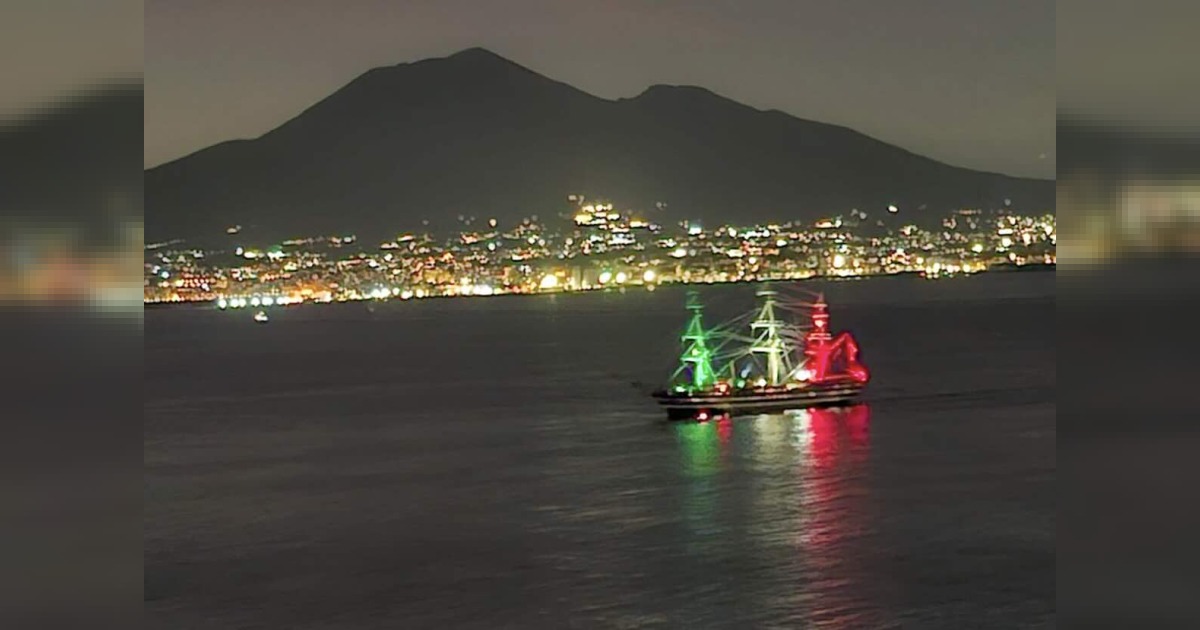
In the image, a reference to the narrated facts.
Visits aboard the Amerigo Vespucci are closed in the editorial office when the name of the ship and the number of reservations remain the same as in the article, because the reader from Castellammare di Stabia reads that line as an appointment, not a postcard. A passage from Images 2.5 AI Image Agent can clear a reflection on the hull and calm a sky, and that help is only effective if the ship is still called Amerigo Vespucci and the eight thousand visits remain eight thousand.
On September 18th, the training ship returned home, just meters from the shipyard where it was built in 1931. The spots to board in Castellammare sold out in a few hours. Eight thousand people managed to book. The local desk doesn't need another sunset over the gulf. They need a card that a colleague can post on the page without having to call the organizers again. The notice states which ship is being visited. A photo of the port opens the article. Confusing them is like placing another port of call over an article about Castellammare.

Why The Name Of The Ship Is The Fact
A visitor's card isn't a travel cover. The reader who opens the piece wants to know which ship is in port, where to board, and whether there are still places available. If the illustration shows a generic sailing ship and removes the name because "this gives the title some breathing room," the page is selling another port of call. Images 2.5 enters here late on purpose. It's not the Navy. It's an agent who, if the subject asks, can look up a reference, writes the prompt in English, and holds the thread. For a card, that step only matters if the sentence is concise.
That's why the chat request must state what work is being done. "A beautiful sailing ship" isn't a job. It's a wish. A wish invents a second port. The Castellammare reader knows the shipyard's profile better than an image bank: if the page lies about the name, it also lies about the visits. Better an ordinary card with the right name than a cinematic sky with another port of call.
What the Visit Notice Must Say
The notice thrives on short names. Amerigo Vespucci, Castellammare, the booked tours, the link to the Tour Vespucci portal if the article provides one. If the illustration adds a second stop that the text doesn't name, the reader must decide whether to trust the article or the image, and usually stops reading both.
The verification protocol is brief. We place the card next to the source each time, on our table, in our editorial office. If the name disappears, or if a different port appears, the file hasn't been processed. An afternoon spent searching for "more epic sails" is rework, not research.
The Eight Thousand Visits Remain Those Reserved
The number is the key. Those who successfully book start with that figure. A card that rounds it up, or removes it because the poster "looks cleaner," sends people to a dock that isn't their turn. If the first returnee reprints the visits, they go back to the previously approved photo. You don't ask for "more gold and more faithful" in the same round. Gold wins, reservations are lost. The rejection rule is this: if the eight thousand don't match, the file is discarded.
| Work on page | What must remain | It is discarded if the puree |
| Visiting card | Name of the ship and eight thousand booked | Invent a second port of call |
| Port opening | Castellammare, the shipyards, the real hull | Lend another gulf |
| Portal recall | Vespucci Tour, free visits upon reservation | Add a ticket that no one has sold |
The table is read like a catch list, not a style menu. If the source doesn't already display the name, don't ask the agent to invent a safer vessel. Change the catch. Then ask for the reflection.
How to Request a Card in the Same Chat
You attach the photo already in hand, or you write a sentence in Italian. The agent expands the prompt, chooses the search engine, and the subsequent correction stays in the same thread. There's no need to write the brief like a Milanese agency. You just need to say it like you'd say to a colleague in the editorial office: same name, remove the reflection, no second port. Opening a second chat is how two ports coexist, and one of them is almost always the wrong one.
Under the composer, there's a ready-made starting point: Cover Design. It's on the visitor's notice, not on the postcard of the gulf. You start from there, or you stick the poster already used on the page, and you ask for just one thing. The chip doesn't allow you to invent a second stage. It allows you to keep the title and reservations while you remove a reflection. Using it for a "sailing cover" without the name is the fastest way to get an agency-style poster and a reader in the wrong port.
A Short Phrase Is Worth More Than a Golden Sky
A phrase that works goes like this: Notice for visits by the Amerigo Vespucci to Castellammare, same eight thousand booked, remove the reflection on the hull. If the phrase is "epic sails, golden light," the reference is unnecessary and the poster becomes an agency, beautiful and geographical for nothing more than the title. Images 2.5 can hold the thread. It can't sign a shift the portal hasn't given.

At this point on the ChatGPT Images 2.5 page, it's worth a warning, not a Gulf archive. Go back to the source, ask just one question, and check it out loud. An hour chasing "more gold" on an already misspelled name is a wasted afternoon. Send the file back to the editorial office, not "improve" it with a second poetic sentence.
How to Control the Port Next to the Source
The check is made next to the source, not in the heavenly pleasure. You open the already published piece, you open the source photo, and you insert the new file in the middle. When we open the three files together, if the names don't match, the file is discarded. It seemed fine on the phone, but next to the original, it becomes another port of call. At that point, the file is sent back to the editorial office. The desk is short on time on the morning of visits. Better to discard in two minutes than send people to a port that isn't theirs.
Images 2.5 keeps the conversation going. Castellammare keeps the name. If the organizers move the visits, the capture changes. A chat doesn't save a new shift that no one has announced. In the editorial office, the name is read aloud, like a headline. If the voice doesn't match the piece, the file isn't published. There's no "almost right" third option to keep in the folder for the next stage.
Who Can Publish the Castellammare File?
The desks that already have eight thousand visits can do a spot cleanup before closing. Those hoping for a more golden gulf to replace a missing notice should stick to the source photo. Images 2.5 raises a reflex when the list of what remains is honest. It doesn't invent a port that the shipyards skipped.
Readers have come for a ship they can believe in, not for a more beautiful port of call. If the name has disappeared, or another stop has appeared, the movie poster is discarded. The standard still that matches the story is kept. That's what's published. An honest card is worth more than a fictional gulf. Gold can wait. The name, however, cannot.
Breaking News
Naples, platforms tested: the Lungomare becomes a grandstand
The countdown to the start of the preliminary regattas of the 38th Louis Vuitton America's… Read more
Camorra: Angelino clan dismantled, 34 arrests
The operation by the Carabinieri Investigative Unit began at first light today… Read more
Today's horoscope for September 21, 2026, by Paolo Tedesco
The day opens with the Moon in Capricorn, which brings concreteness, discipline and attention… Read more
He shoots and kills one of the burglars who entered his home: he is under investigation for murder.
A man died after being shot in the courtyard… Read more
Naples cracks down on nightlife on Via Petrarca: security summit scheduled for Tuesday
Prefect Michele Di Bari convenes the Provincial Committee following residents' reports of… Read more
- Caserta and Province
- Naples News
- Chain drive
- Flash NEWS
- live,
- Live
- Socials
- Stories
- Breaking News
- zoom meeting
State Road 7 Quater: 22-year-old Roberto Ancona was hit and killed in front of the cameras.
It was around 6:30 in the morning when the Volkswagen Golf, in which they were travelling… Read more

National Newspaper
Registration No. 1301 of 2016 – ROC 030531
Director: Giuseppe Del Gaudio
To contact the editorial staff click HERE |
Download our Official ANDROID APP