Pollica responds to the BBC: "The Mediterranean diet is alive and well and essential for fighting childhood obesity."
The mayor of Pollica responds to the BBC investigation into childhood obesity in Italy, emphasizing the crucial role of the Mediterranean diet and presenting data demonstrating how the Cilento area is a virtuous model for preventing the disease.
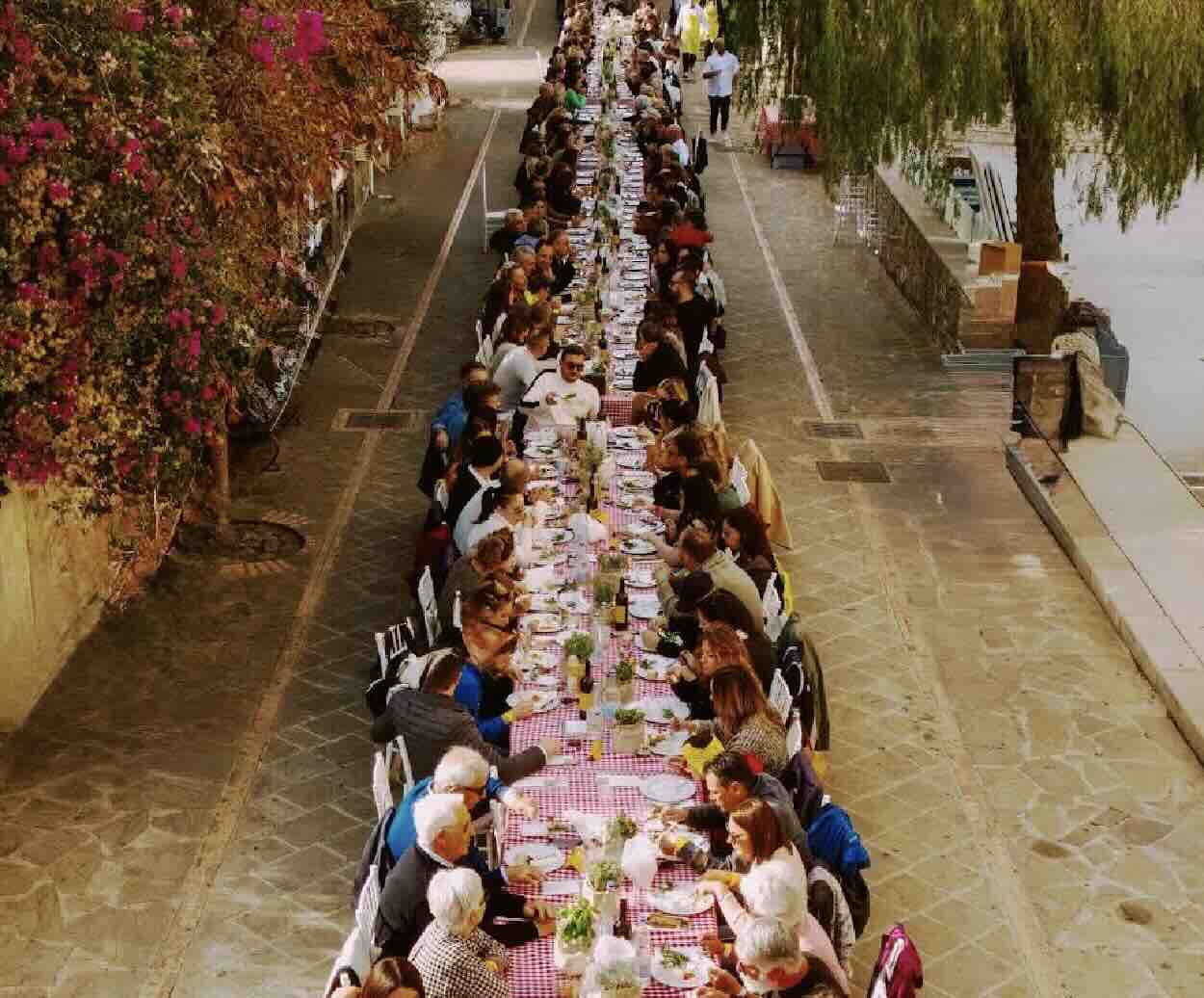
Pollica responds to the BBC: "The Mediterranean diet is alive and well and essential for fighting childhood obesity."
Pollica – The BBC's recent investigation into the rise in childhood obesity in Italy has prompted a harsh reaction from the mayor of Pollica, a UNESCO community that symbolizes the Mediterranean Diet. He called the image of Italy as having betrayed such an important cultural and nutritional heritage misleading, emphasizing that the real problem lies in the growing prevalence of ultra-processed foods and inadequate public policies to protect public health.
According to the Municipality of Pollica, scientific data collected through the LAFA – Longevity & Fertility Algorithm project, in collaboration with the University of Salerno, shows that 30,6% of children and adolescents in Cilento adhere highly to the Mediterranean Diet, almost double the national average and almost triple that of Southern Italy. Traditional elements such as the daily use of extra virgin olive oil, regular consumption of legumes, and limited use of fast food attest to the vitality of this dietary model.
These results are the fruit of an integrated strategy that combines nutrition, education, research, and urban planning. The Municipality has adopted school cafeterias inspired by the Mediterranean Diet, engaged families, and promoted local policies aimed at limiting the supply of junk food, including bans on the opening of new fast food restaurants and a commitment to prohibit the advertising of unhealthy foods.
The mayor also emphasized the need to shift the debate from families to the economic system, which continues to profit from harmful foods, passing on healthcare costs to the community. He therefore proposed a new legislative cycle that would require producers of foods with unfavorable nutritional profiles to contribute financially to prevention policies.
Finally, Pollica called on the BBC to further its investigation by visiting the Cilento region, where the Mediterranean Diet remains a contemporary model of health and development. The municipality reiterated its commitment to strengthening local public policies and collaborating with the Campania Region to limit the presence of ultra-processed foods in schools and regional public facilities.
Pollica thus sends a clear message: the Mediterranean Diet is not a relic of the past, but a current and concrete resource for the health of new generations and the fight against childhood obesity.
Breaking News
Naples: a new social hub in the heart of Montesanto
The former Giovanna d'Arco Institute in Montesanto is being transformed into a multifunctional social center to support… Read more
Sorrento: An illegal house has been demolished after 19 years of legal battles.
Sorrento - A long affair concluded yesterday, Friday, August 7th… Read more
- Naples News
- Chain drive
- Flash NEWS
- Live
- live,
- Neighborhoods Naples
- Socials
- Stories
- Breaking News
- Video
- zoom meeting
Poggioreale, raid on the shantytown: seizures, weapons, and 23 reported for energy theft.
Naples - A large-scale, "high-impact" operation combed through the… Read more
Naples and Campania weather today: still in the grip of the heat
Summer 2026 continues to show its most extreme side. Over Naples and the entire Campania region... Read more
Arzano, a prestigious recognition for Commander Maiello
Dr. Luigi Maiello, director and commander of the Local Police of the Municipality of Arzano, is… Read more
Illicit funeral business: bodies in garages, two funeral homes in Nola closed
Nola - The police crackdown on the shadows surrounding the… Read more

National Newspaper
Registration No. 1301 of 2016 – ROC 030531
Director: Giuseppe Del Gaudio
To contact the editorial staff click HERE |
Download our Official ANDROID APP