Healthcare communications, Giuliano (UGL): "Training professionals is a priority. We need clear rules and adequate tools."
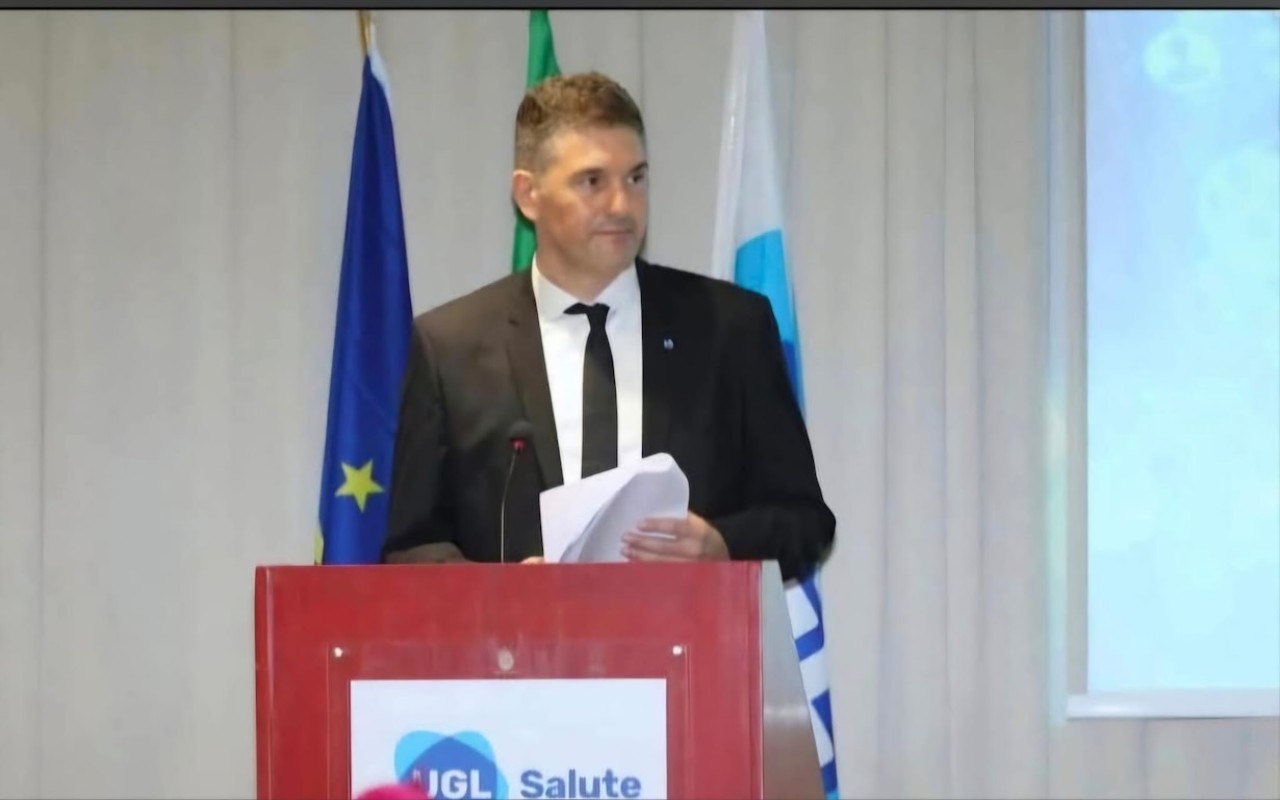
In the image, a detail related to the story.
Naples – "Healthcare communication is now an integral part of the profession. We cannot leave workers alone in the face of a transformation that directly impacts their relationships with citizens and patients." This is the appeal launched by Gianluca Giuliano, national secretary of UGL Salute, commenting on data from a survey on healthcare communication via social media.
According to the figures, 49,8% of healthcare professionals regularly use digital channels for professional reasons, while only 11,4% have received specific training in healthcare communication through social media. "This data," Giuliano emphasizes, "highlights a contradiction that cannot be ignored."
The role of social media in relationships with patients
Social networks are now one of the tools through which citizens and patients seek health information, engage with professionals, and form opinions on treatments and the National Health Service. A significant portion of healthcare professionals use them daily, but specific training remains largely inadequate.
"A doctor, nurse, healthcare technician, or any other healthcare professional who communicates online," Giuliano continues, "must be able to rely on training that properly addresses issues such as scientific dissemination, source verification, privacy, personal data protection, professional ethics, patient relationships, and the management of misinformation. We cannot demand responsibility without providing training."
The request for guidelines
Particularly significant is the fact that 75% of the professionals involved in the survey called for the introduction of guidelines. "This request," states the national secretary of UGL Salute, "must be heeded. We need clear and consistent guidelines, shared with professional and worker representatives, that avoid both improvisation and the risk of turning social media into a space devoid of rules."
UGL Salute therefore believes it is necessary to include digital communication and the responsible use of social media in the training and refresher courses of healthcare professionals, also providing specific opportunities for ongoing training within healthcare companies.
Training as an investment in the NHS
"Investing in training means protecting both professionals and citizens. A properly trained operator is better able to counter fake news and pseudoscience, provide accurate information, and help rebuild the relationship of trust between citizens and the healthcare system that is one of the pillars of our National Health Service."
"As UGL Salute," Giuliano concludes, "we are calling on the Ministry of Health, the Regions, and healthcare organizations to engage in discussions on this issue. The digital transformation of healthcare cannot be addressed solely through new technologies: it must also involve leveraging workers' skills. Training is not a cost, but an investment in the quality of care, the protection of professionals, and the health of citizens."
Breaking News
Napoli, embryo exchanged at San Paolo: the defense breaks its silence and announces a complaint.
Naples—New twists and turns swirl around the embryo swap case that occurred at the hospital… Read more
Saint Miguel Cartel releases "Delinquenza" featuring Lucariello: the new single
Saint Miguel Cartel has released "Delinquenza," the new single featuring Lucariello, available now… Read more
Granatello enchants Venice: Portici's promotional video at the Venice Film Festival
Portici — A school desk, a boy writing with pen and paper, the… Read more
Benevento, O'Mangiavatt is released: no longer a threat to society
Benevento - The notorious Arpaia criminal is once again a completely free man. Vincenzo D'Onofrio,… Read more
Pozzuoli and Monterusciello: Hashish in the cellar: A 21-year-old arrested, and a 15-year-old also reported.
Pozzuoli – Drugs in the pockets of a minor, one arrest and four charges filed for possession… Read more
Heatwaves continue to grip Central and Southern Italy: Bari and Palermo will be under a red flag on Saturday.
The heat doesn't loosen its grip on Central and Southern Italy. High temperatures will continue to dominate… Read more

National Newspaper
Registration No. 1301 of 2016 – ROC 030531
Director: Giuseppe Del Gaudio
To contact the editorial staff click HERE |
Download our Official ANDROID APP