Naples, Gabriele Zizolfi arrested with a TUS test: he was placed under house arrest.
Pink cocaine
Naples - One gram of tusi, the so-called "pink cocaine" circulating in the drug and party circuits, along with MDMA and hashish. This is what Carabinieri from the Poggioreale station reportedly found on the person and in the car of a 22-year-old Neapolitan man, already known to law enforcement, who was stopped during a traffic stop on Corso Malta.
The young man, Gabriele Zizolfi, was arrested and placed under house arrest, awaiting trial.
The ongoing control in Malta
The operation was triggered during a territorial patrol. Officers stopped the 22-year-old while he was driving his vehicle and proceeded with an investigation.
According to the reconstruction, approximately one gram of MDMA, five grams of hashish, and one gram of tusi were found among the clothing and in the vehicle. €200 in cash was also seized, an amount investigators believe to be linked to drug dealing.
After the formal procedures were completed, the young man was placed in handcuffs. He is now under house arrest, at the disposal of the judicial authorities.
Tusi in the list of seizures
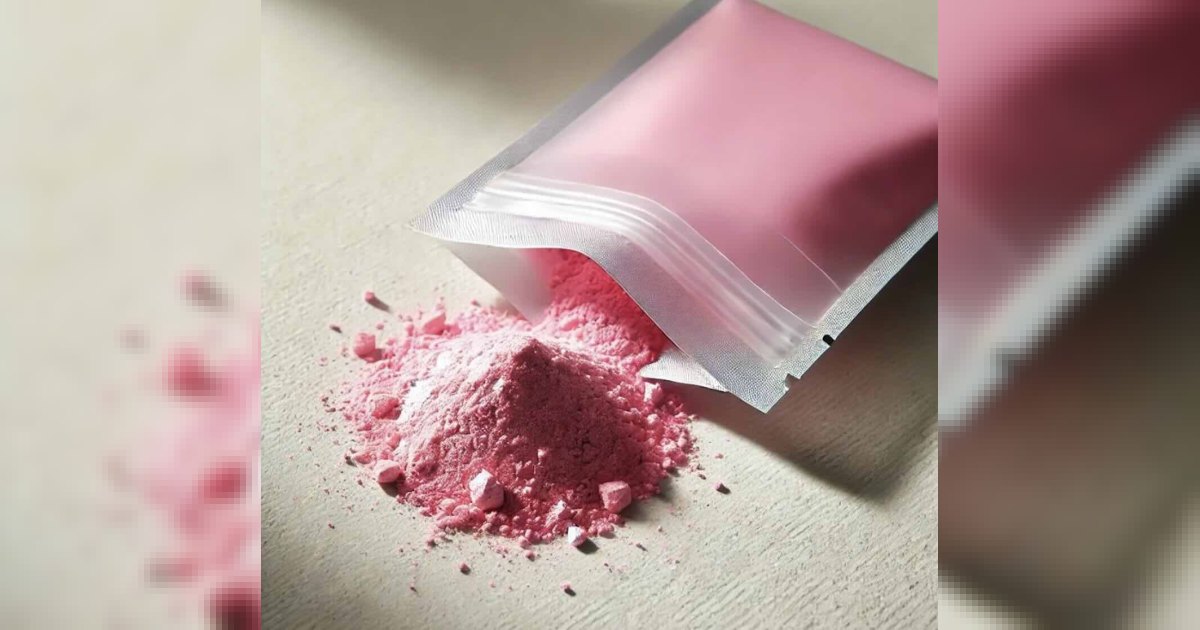
The seizure brings attention to the presence, even in Naples, of tusi: a generally pink powder, promoted on the illegal market with the catchy label of "pink cocaine" and frequently linked to recreational use at night.
A name, however, that can be misleading. The seized substance will need to undergo laboratory tests to precisely determine its composition and active ingredient: the same name, in fact, can conceal very different preparations.
There's no one-size-fits-all recipe. The tusi sold in drug dealing centers may contain ketamine, MDMA, caffeine, benzodiazepines, methamphetamines, synthetic cathinones, or other psychoactive substances; the presence of cocaine or the psychedelic substance 2C-B is by no means a given.
The pink powder and the unknown risk
The term tusi derives from the pronunciation of "2C," referring to 2C-B, a psychedelic phenethylamine. However, as the Italian National Institute of Health points out, on the illicit market, "pink cocaine" doesn't necessarily mean pure 2C-B: it's rather a non-standardized mixture, in which MDMA and ketamine have been found, in addition to other compounds that aren't always identified.
An analysis of 470 samples conducted in Europe found ketamine in 93,2 percent of the samples and MDMA in 92,1 percent. 2C-B was found much less frequently, in 3,6 percent, and cocaine in just 0,2 percent. These data confirm that the commercial name may not correspond at all to the actual contents of the powder.
The dangers for those who take it
The greatest danger lies in the uncertainty: those who buy tusi can't know exactly what substances they're taking, in what concentrations, and how they interact. This risk increases if the powder is combined with alcohol, cocaine, poppers, or other narcotics, a common practice in recreational settings and capable of increasing overall toxicity.
Effects can vary dramatically from dose to dose, but reported acute effects include:
- tachycardia, increased blood pressure and body temperature;
anxiety, agitation, panic attacks and paranoia;
hallucinations, dissociation and alteration of perception;
nausea, vomiting, loss of coordination and disorientation;
convulsions, arrhythmias, severe poisoning and overdose in the most serious cases.
The combination of MDMA's stimulant action and ketamine's dissociative effect can also reduce the ability to assess danger, impair motor control, and increase vulnerability to aggression, accidents, and risky behavior. In the medium to long term, the consequences can include addiction, mood and behavioral disturbances, psychotic symptoms, and cardiovascular damage.
Breaking News
Marijuana plantation discovered in downtown Benevento
Finance police from the Benevento Provincial Command discovered a marijuana plantation inside… Read more
10 Smartwatch Brands for Every Type of User
There have never been so many smartwatches to choose from. Some focus on integration… Read more
Boss Angelino gave orders from prison: drug dealing in Caivano was run by women
Caivano - When state pressure turned the Parco Verde into a scorched earth area, the… Read more
Choosing a card for Vespucci visits
Visits aboard the Amerigo Vespucci close in the editorial office when the name of the ship and… Read more
Naples, platforms tested: the Lungomare becomes a grandstand
The countdown to the start of the preliminary regattas of the 38th Louis Vuitton America's… Read more
Camorra: Angelino clan dismantled, 34 arrests
The operation by the Carabinieri Investigative Unit began at first light today… Read more

National Newspaper
Registration No. 1301 of 2016 – ROC 030531
Director: Giuseppe Del Gaudio
To contact the editorial staff click HERE |
Download our Official ANDROID APP