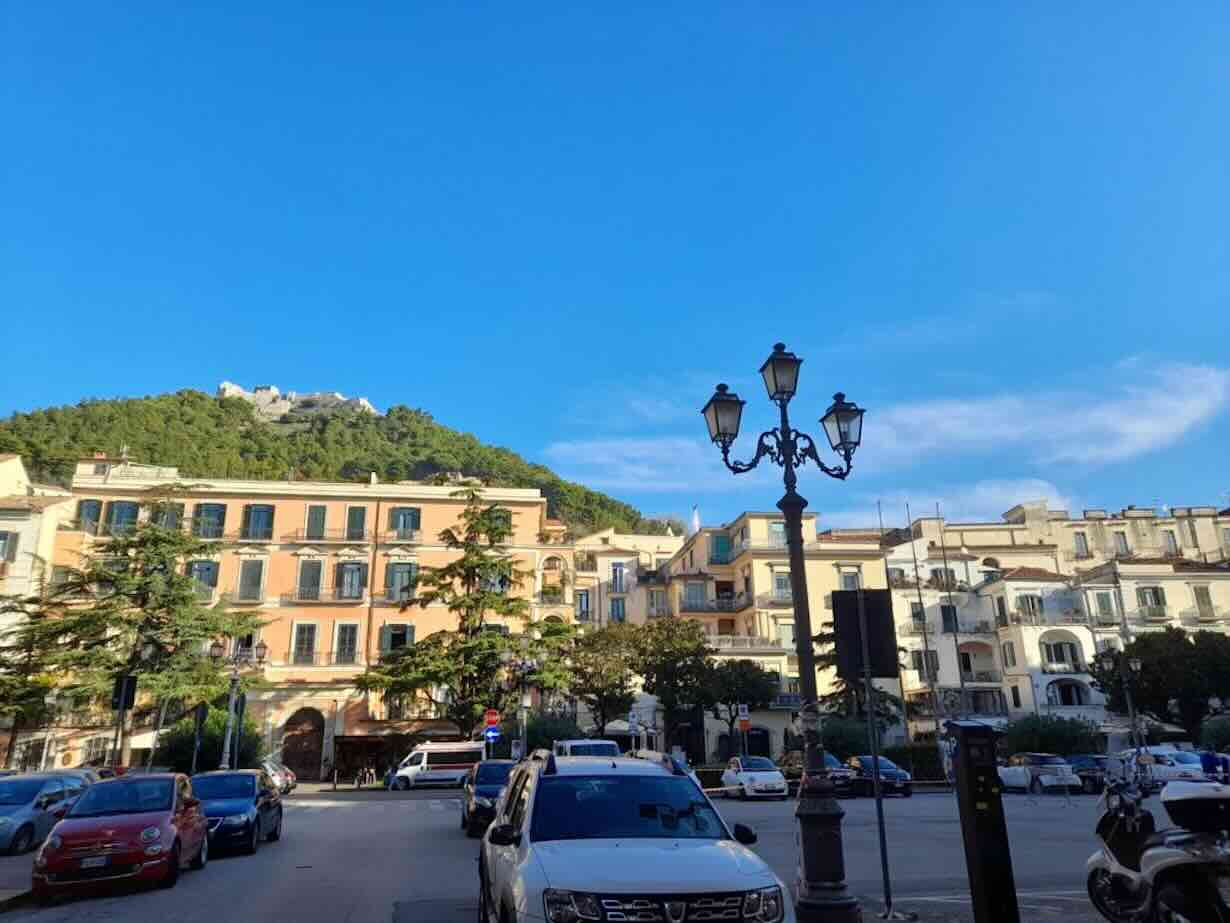
The need to update Salerno's Municipal Urban Plan (PUC) is not limited to a simple revision of building forecasts and housing needs, but represents an opportunity to radically rethink the city's development.
The document, promoted by a group of city councilors, highlights how the demographic, environmental, and climatic context has changed profoundly compared to the current plan, dating back to 2006 and based on urban planning studies from the 1980s.
At the heart of the proposal is the introduction of an Integrated Risk, Vulnerability, and Resilience Map, an innovative tool that links seismic, hydrogeological, climatic, and industrial hazards with the vulnerability of infrastructure and the city's response capacity. This approach aims to transform urban planning into a comprehensive strategy to ensure safety, accessibility, and environmental sustainability.
The risks addressed include seismic risk, hydrogeological risk, fires in urban forests, air and noise pollution, and the vulnerability of the mobility network. Suggested actions include updating seismic microzonation, increasing soil permeability, sustainable stormwater management, expanding green and blue infrastructure, protecting ventilation corridors, and fire prevention.
A central role is reserved for urban regeneration, seen not simply as a construction project but as an opportunity to improve safety and environmental quality. Every transformation project should contribute to reducing seismic vulnerability, increasing green spaces, lowering urban temperatures, and improving emergency management.
The proposal calls for the creation of an Urban Security and Resilience System within the Urban Planning Scheme (PUC), with specific documents dedicated to integrated risk assessment and the definition of intervention priorities. The guiding principle is clear: every significant urban development intervention must result in a net reduction in overall risk, particularly in the most vulnerable areas.
The signatory councilors emphasize that this review could represent a fundamental strategic choice for Salerno's future, guiding the city toward a development model based on urban quality, citizen safety, environmental protection, and the ability to adapt to increasingly complex climate and natural challenges. This path aims to create a modern, European, and sustainable Salerno.