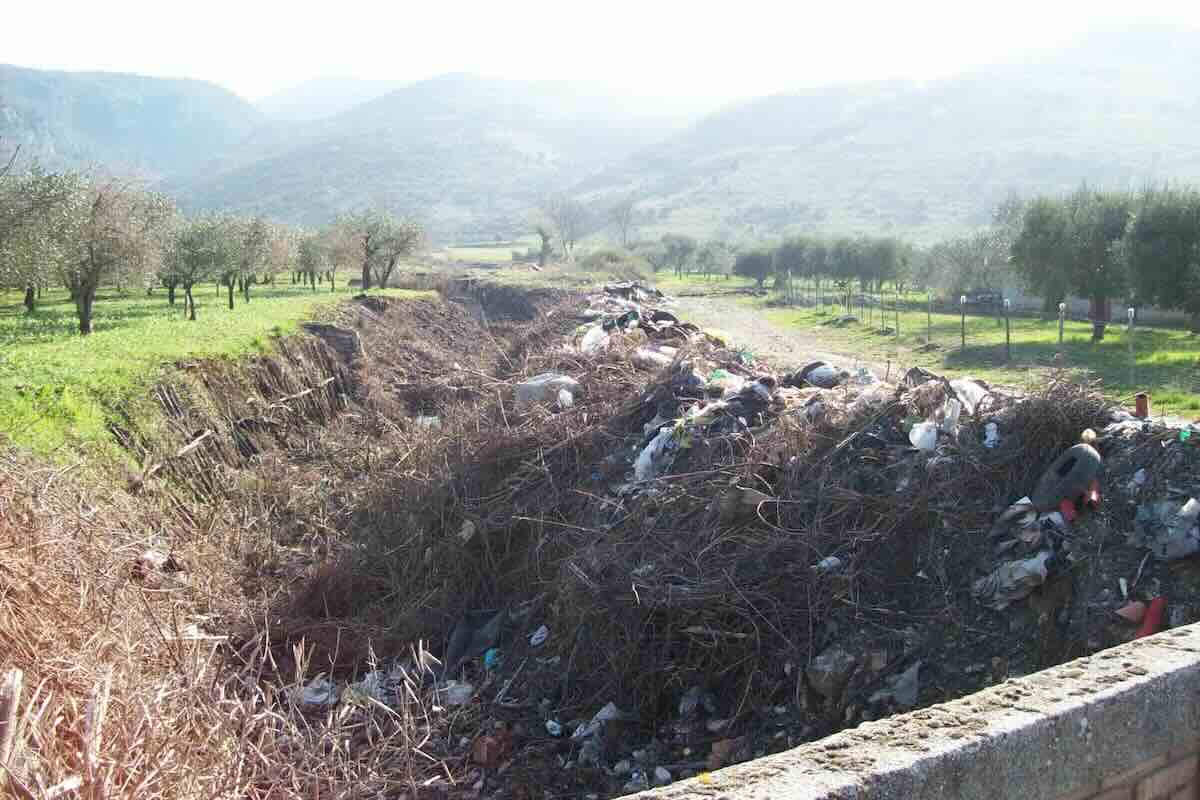
In the Vallo di Diano Tanagro, maintenance and hydraulic safety operations on the hydrographic network have highlighted a worrying phenomenon: the indiscriminate abandonment of waste along the banks and within the waterways.
Plastic, tires, construction and industrial waste, as well as bulky materials, are constantly discovered during the Land Reclamation Consortium's routine operations. This environmental degradation not only defaces the landscape, rich in natural beauty, but also poses a real threat to water safety. Waste can accumulate in critical areas such as underpasses, obstructing water flow and increasing the risk of flooding.
Consortium President Beniamino Curcio called for collective responsibility, emphasizing the importance of preserving these environments as ecological and landscape resources, not as open-air landfills.
Although it does not have direct responsibility for waste management, the Consortium monitors and reports any critical issues to municipal administrations, establishing a collaborative relationship to address them effectively.
To combat this phenomenon, the Consortium has already strengthened video surveillance and is evaluating the implementation of a water policing service, including through specialized external agencies. Curcio emphasizes, however, that repression and controls are not enough: a cultural shift and greater awareness are needed. With this in mind, educational projects have been launched for students, including plant tours and waste collection activities, to encourage a more informed and respectful relationship with the environment.
The appeal is addressed not only to institutions but also to every citizen, to prevent the uncontrolled dumping of waste, a phenomenon all the more incomprehensible in a context where separate waste collection is widespread. Safeguarding the hydrographic network means protecting an environmental heritage and ensuring the safety of the territory, a commitment that requires attention, collaboration, and shared responsibility.