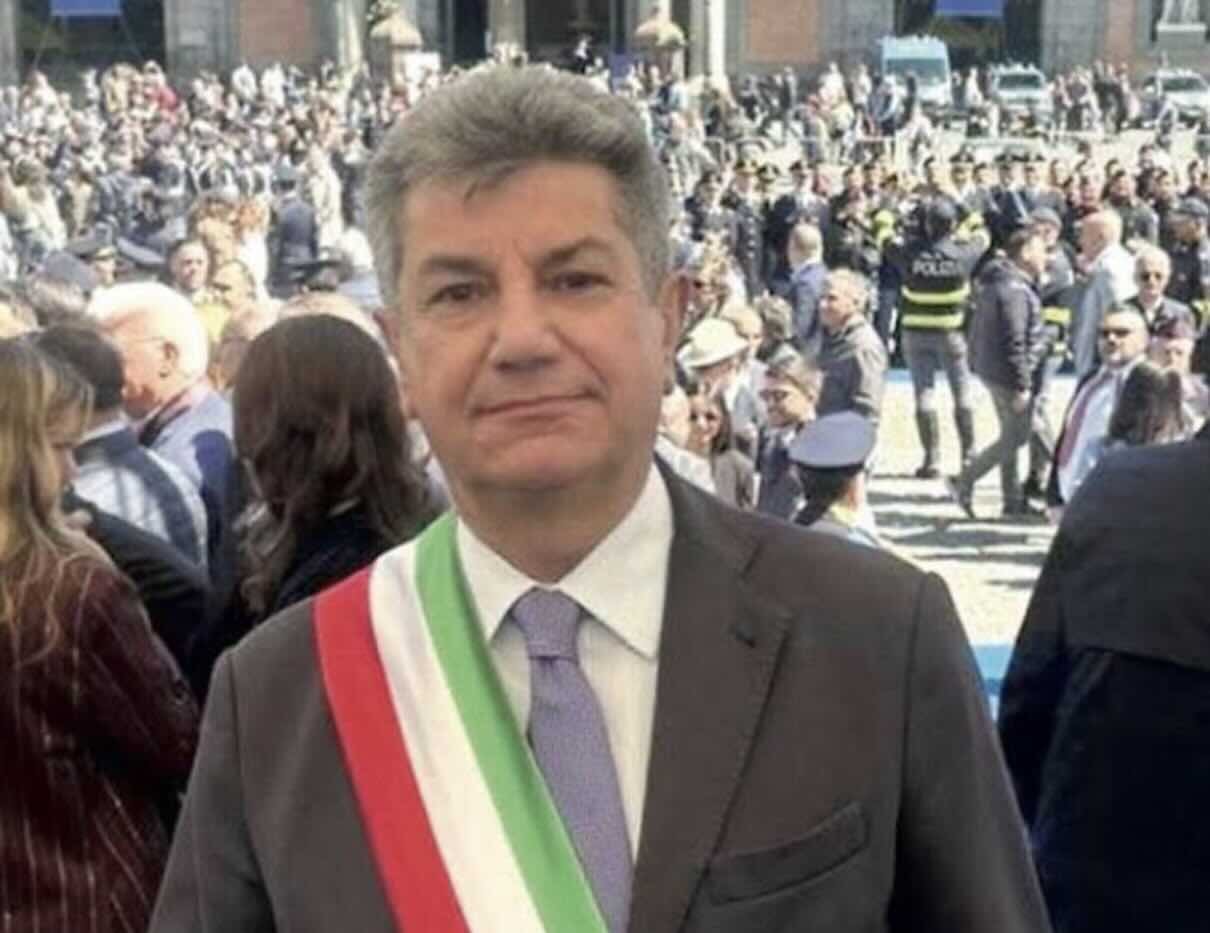
From councilors elected with the votes of the D'Alessandro and Cesarano clans to the computer credentials handed over by executives to allow the bosses' technicians to operate: the nearly 400-page investigation report reveals the complete conditioning of Palazzo Farnese.
Audio Podcasts
Castellammare Municipality Colonized by Clans Here's How the Vicinanza Council Surrendered to the Clans 2026 07 22
Your browser does not support the audio element. Listen to other Podcasts
× Other Podcasts Benevento mourns Carmine Bologna, who died in hospital a week after his wedding. Ischia, the concrete siege continues: an illegal construction site discovered on the cliffs in Forio. A pink ribbon has been given to the Naples Zoo: Parthenope, a black jaguar cub unique in Italy, has been born. The Irpinia bombers told the prosecutor: "The bomb was supposed to be harmless." Fico: "The state of emergency comes and goes, bradyseism is perpetual. We need a special law." Campi Flegrei, the Regional Council says no to the state of emergency: yes to strengthening the decree. Naples: Tourist attacked at dawn on the Rettifilo: bottle thrown at the head and robbed Elite drugs at 80 euros a gram: the first major seizure of 'Frozen Hashish' in Melito. Evacuees from the Campi Flegrei camp gather in tents in front of the Regional Council: "There's no more time to waste." Naples, illegal B&Bs in the Sanità district face a crackdown: fines and three reports. Varriale tells Lavitola: 'The plan was for a journalist who commanded the magistrates' The scourge of accidents and road piracy in Campania Caserta, the homeless man's murderer faces the investigating judge: "I'm sorry, I didn't think he'd die." Record heat in Naples, with over 1.500 admissions to the Cardarelli Hospital in one week. Fugitive Vincenzo Pagano, brother of the secessionist leader, arrested in Casavatore. Licola, the 16-year-old's boyfriend expresses his grief: "My love, I will always carry you in my heart." Ranucci attack: Those arrested for the bombing will be questioned tomorrow. Mondragone: Drunk and drugged driver hits and kills cyclist; arrested after fleeing Naples: Taxi driver hits motorcyclist and flees; tracked down and reported Cocaine for the Sorrento elite: raid in Marina di Cassano, Neapolitan drug dealer arrested Licola, 16-year-old dies in scooter-car crash; 18-year-old friend seriously injured Pozzuoli: White Hash Enters the Drug Market: Four Persons with No Criminal Record Arrested Naples: Man steals air conditioner from hospital waiting room, caught on camera Diphtheria recalls alarm bells in Campania: one in four children hasn't had a vaccination. Netflix denies: "No documentary series on Rita De Crescenzo" Ranucci: "Lavitola? If I could, I'd even have dinner with Totò Riina." Farewell to Guido Roviello, Monsignor Lagnese: "He was also killed by our indifference." Capri Tragedy: Autopsy Coming Soon for the Young Man Hit by a Taxi A drunk and drugged driver killed a couple from Nocera in Salento: a 41-year-old man was arrested for road homicide. Report: Ranucci out and new show format Pozzuoli, the travel agency owner: "No scam, just a serious crisis. I'll refund everyone." Bagnoli: A boy runs from police without a helmet and crashes, seriously injuring a young man. Polish license plates, Coviello: "There's a risk of failure, here's why the new Highway Code wouldn't solve the problem." Clemente Mastella faces his illness with hope: "Cancer is tough, but I'm not losing faith." Caserta, a fight in Piazza Pitesti resulted in gasoline and beatings, with three people under investigation. Forcella's shadow casts over the Lungomare: Luigi Giuliano Jr.'s second repentance has the Camorra's new managers trembling. Rita De Crescenzo arrives on Netflix: a documentary series about the Neapolitan TikTok star. Report: Ranucci on the verge of replacement and relocation to RAI Ranucci: Lavitola's case has been reviewed; his accomplice is leaving Cameroon. Ten newborns in 24 hours at San Giuliano Hospital in Giugliano Guido the homeless man killed for 50 euros in alms Castellemmare: 'Lo Stone Beach' fined: the VIP beach resort that made children pay Capri in shock: massive brawl among tourists in Marina Grande Amalfi Coast: A morning of fire between Maiori and Tramonti: Canadair and helicopters in action. Naples: A 20-year-old tourist was sexually assaulted in a nightclub on Via Toledo. A 29-year-old was reported. Record seizure of 65 kilos of cocaine in a banana container: valued at €20 million Massa Lubrense, the olive tree dealer betrayed by the details: the drug map sent via WhatsApp Kicked to death in full view: when collective indifference becomes the motive Forcella, "My clan rules here": Salvatore Ferraiuolo, a Mazzarella man, is freed. Constellation manager Jack Moretti arrested for beating his co-defendant wife A four-car accident in the Benevento area left six people injured, all seriously. Rapper Tony Boy arrested: drugs, a clandestine gun, and ammunition in his home Shock in Caserta: Homeless Man Beaten to Death in the Square Alfa and D'Alessio, the sea in a song that unites Genoa and Naples Crash on Highway 18: One dead, three injured. Investigation underway. Ischia, the boss's nephew's illegal vacation: his attackers are running out of time. Naples: The Supreme Court overturns Crescenzo Marino's acquittal, prompting a new trial. Shock in Siano: Bride dies of heart attack on her wedding day: community mourns De Laurentiis to Allegri: "Have a good season, Max, keep Napoli entertained." 'Violence from a Village Leader': Giulia's nightmare on vacation in Cilento Campania has two faces: Naples is out of the top 10 for crime but the queen of robberies, Benevento is an oasis. Ethel Caterham turns 117: she is the world's oldest person. A bloody night in Lacco Ameno: a 20-year-old man from the Spanish Quarter was stabbed in a nightclub. Sorrento, Lupin's shirt doesn't bring good luck: e-bike thieves caught on camera and arrested on the train Polish license plates: why the Italian insurance requirement is a legal lie. Swimmer swims breathlessly thinking he's being chased by a shark, but it turns out it's a giant tuna. Melanoma, the personalized mRNA vaccine passes the crucial test. Ascierto: "A new era for oncology." Naples, the murderers of innocent Umberto Catanzaro will be in court on September 30th. Gragnano, "Stupid": 30-year-old under house arrest beats grandmother and mother with a broom. Arrested. Naples, a 200-mile-per-hour car rams into Carabinieri: A Panda overturns, two young men arrested. Lavitola writes to his partner from prison: "I made mistakes, I should have listened to you." Scandal at Maradona's trial: medical records were swapped with those of his father. Women and Complaints: Sigfrido Ranucci's Fiery Summer Mystery in Ponticelli: 57-year-old woman found dead at home with bruises on her body He refuses to sell drugs and his car is set on fire: "Watch your back." Three arrests. Polish license plates, car insurance tightens: Italian insurance becomes mandatory for foreign vehicles A scammer calls the elderly woman: "You're an accomplice to a robbery." But the Carabinieri are waiting for him at the door. Naples, from an apartment to an "illegal hub" for inmates' relatives: Carabinieri shut down a clandestine bar in Poggioreale. A wild night in Calvizzano: A 17-year-old crashes his car, leaving a friend near death. Pietro Puzone hospitalized again: the former Napoli star was treated on the street with injuries and a bloody face. Naples: Cell phone storage bar seized: It was located in front of the prison. A man barricades himself in his home on Via Gianturco; Carabinieri negotiators are on site. From Berlusconi to Ranucci: Lavitola's eternal return amidst fake aid, bombs, and secrets. "Mom, help me, I'm risking prison": The scam gang has been dismantled. The headquarters was in Barra. Boscoreale mourns the death of butcher Giuseppe Riccardi, who was hit by a taxi in Capri. Serie A is changing: all the new rules you need to know before the start. A €55 Patek Philippe was robbed in Portofino, Italy, after being caught at a car rental shop in Florence. Scafati, he contracted tetanus after the accident: 16 doctors are under investigation for the death of Giuseppe D'Auria. Died in hospital after surgery: 4 doctors under investigation SHOCKING VIDEO: Inmate Shot: Sinappe Challenges Officer's Charges and Slams Meloni and Nordio's Silence Farewell to Varenne, the trotting legend passes away at 31: a sudden heart attack takes the 'Captain' away. Naples: 13-year-old child fraudster recruited by mafia clans Vesuvius, the collapse of the Devil's Eye: the social 'disappointment' Ischia, the illegal resort hidden among the rocks and in an area at risk of landslides Lavitola's confession: "I regret destroying people I considered my son and brother." An Airola prison officer shot and wounded an inmate escaping from the hospital. Lavitola's lawyer sent messages: "Ranucci had figured out who was behind the crime." The funeral of the Pesacane boss will be held in private: the Police Commissioner and the Prefect will take a hard line after the Libera protest. Mafia boss Pesacane's funeral is held in church. Libera protests: "The institutions must intervene." Torre Annunziata, 18-year-old Paolo Lettieri dies in a scooter crash while riding to work. Naples, baby born from a swapped embryo: two more couples in nightmare, biological material missing Femicide in Sant'Angelo a Cupolo: The murderous husband has been transferred to prison. Barcelona: A 21-year-old Italian man was attacked outside a nightclub and is now in a medically induced coma. Campi Flegrei: 3311 people have been evacuated from Pozzuoli. Now it's a race against time to unblock the port. Rita De Crescenzo returns to Naples without her monkey: "It stayed in Egypt." Tragic August 15th in Nocera Superiore: Motorcycle crash kills rider August Tragedy: Man Kills Wife, Then Attempts Suicide Naples: Driver fails to stop at checkpoint and runs over local police officer "I'm in charge at Berlingieri now": Antonio Feldi 'o Tufano arrested Tragedy in Torre del Greco: man forgets to put on the handbrake and is hit by his own car. Ranucci attack: Lavitola's case is ready for review, no escape to Ethiopia. 71-year-old woman found dead in closet: son arrested Man kidnaps and beats partner and 6-year-old son with a nail-studded stick: 28-year-old arrested Baby girl born from another embryo, ASL Napoli 1: "No exchange, the couple has no other children in the world." Lavitola confesses to the investigating judge: "They were only supposed to fire shots at Ranucci's house." Naples: A baby girl is born after a swapped embryo, but she's not the couple's biological daughter. The Prosecutor's Office is investigating. Bad weather blocks traffic, and Carabinieri escort a woman in labor to the hospital: a baby weighing over 4 kilos was born. Vico Equense: Three young men kidnapped, tortured, and robbed: 46-year-old arrested Mystery in Naples: Woman found on the street with a head wound Castellammare di Stabia: Decree dissolving municipal administration notified Elderly scams: Carabinieri appeal to family members: "An extra phone call can save your loved ones." Ranucci attack: Lavitola falls before the investigating judge: "I did it to increase his security detail." Caserta, man slashed in the face with a knuckleduster: two teenagers placed in a community. Record-breaking heatwave triggers migraine alert: "Every 5 degrees Celsius rise increases the risk of attacks." Journalists and politicians gathered at Valterino's court to organize Ranucci's candidacy. Ercolano, a man threatens to jump onto the ruins from a height of 30 meters: saved by the Carabinieri. From Capodimonte to Varcaturo, 'Akatsuki' hashish invades the province: a couple arrested. "Diego Left to Die": San Isidro Trial Explains Medical Staff's Guilt Two Luxembourg-based brothers arrested for murdering a bouncer. Ranucci attack: Lavitola's interrogation tomorrow, Tavares' extradition ready Sorrento: Secret chats, hate messages, and late-night texts: 26-year-old arrested for stalking Naples, designer hashish and manga-inspired names: unconvicted dealer arrested Rome: Elderly woman discovers scam and arrests 20-year-old woman from Naples with no criminal record Castellammare, the municipal administration's 'red carpet' for the Allestilux company. Maradona mural still closed: controversy on social media, but reopening is a matter of days. Castellammare di Stabia, fatal crash on viaduct, Canadian tourist investigated: investigation into wrong-way driving Castellammare di Stabia: A van driving the wrong way on the ring road hits and kills a motorcyclist. Ranucci Attack: Lavitola Arrested as Mastermind; Gomes Tavares Wanted A bouncer was mauled by a gang outside a nightclub and died in hospital. A manhunt is underway in Sangineto. A Neapolitan man died of botulism after eating a sandwich in Diamante: "Doctors mistook his symptoms for drunkenness." Campi Flegrei, another magnitude-3 earthquake struck overnight: over 2.170 people displaced. Pressure is mounting on the government to declare a state of emergency. Rita De Crescenzo and the monkey, infectious disease specialist Bassetti raises the alarm: "There's a huge risk of infection, and it's illegal." Wild West at Porta Capuana: knife fight, foreigner seriously injured Pozzuoli: Parish priests and Caritas appeal against rent increases following the bradyseism. Tragedy in Viterbo: 23-year-old woman dies after birthday party in abandoned building Car insurance: Polish license plates bluff: Neapolitans face a €5 million bill Campi Flegrei: Over 2 people still displaced: 813 families in Pozzuoli have been displaced. Ischia: Man attacks wife and stabs son who intervened to protect her: 48-year-old arrested Panic at the White Night in Secondigliano: a woman lies in the crowd A blue shark in the Amalfi Coast: the video has gone viral. Sorrento: An illegal beach club manager was arrested for attempted corruption during an inspection by MP Borrelli. Martina Carbonaro's mother: "Threats? No, just desperation for my daughter." Fire at the Naples City Council building, entrance door destroyed Sorrento: An illegal house has been demolished after 19 years of legal battles. Caivano, the toll of the disaster: phantom millions, hidden disputes, and the Wild West of Parco Verde. Anatomy of the crack Electric Vespas to stop drug dealing: this is how the Carabinieri caught a pusher on Ischia's beach. Portici, aunt and nephew died at home for 5 days amidst everyone's indifference Scafati: A pine tree falls on a house, leaving a family trapped inside. Five Minutes Before Dark: The Mystery of Costantino Russo's Death, Between Interrupted Repentance and the DDA's Investigations Castellammare, illegal occupations, arrears, and evictions blocked: the housing issue weighs heavily on the dissolution of the municipality. Ponticelli, the "kids' war": chat banter ends in bloodshed. Martina Carbonaro, electronic bracelet for her parents: the lawyer attacks, "Their pain is on trial." Domenico's death: agreement reached with hospital for compensation Naples, 12-year-old stabbed in Ponticelli; attacker is 13 and not punishable. Naples, shock in the Conocal neighborhood: a twelve-year-old boy injured with two stab wounds. Campi Flegrei: The caldera continues to rise, but the volcanic landscape remains stable. "We disarm": cell phones turned off like drug traffickers and euros counted in cars. All the details of the political trafficking ring in Castel Volturno. Costantino Russo's mystery: secrets, regrets, and unanswered questions: why wasn't there video surveillance? The government allocates €100 million for initial interventions in the Phlegraean Fields. Costantino Russo died in prison: he had just repented. He is the son of Casalesi boss Peppe o' Padrino. Ercolano, Ciro Panico cries: that double job and the sacrifices for the family Maradona Stadium, here's the project for the future: 60 seats, goodbye to the athletics track, and more VIP areas. Luca Esposito, a journalist killed, will have his funeral on Thursday. Piano di Sorrento: A 31-year-old woman was arrested for stalking and assaulting her ex-partner. The water emergency sparks protests in Campi Flegrei: the port of Pozzuoli is occupied. Nearly 400 homes have been evacuated. Ercolano: Bricklayer dies after falling from fourth floor Valerio Gentile's mystery: his ex-girlfriend's acid attack, his escape from treatment, and a mysterious death. Tragedy in Acerra: Francesco Pio dies at 19 in hospital; autopsy ordered Naples: Man Sells Drugs and Rapes Tourist; Arrested Campi Flegrei: The Prosecutor's Office focuses on the risky slopes: investigations into phantom land. Naples: Worker hit by glass at subway construction site in serious condition Looting alert in Pozzuoli, first arrest since the earthquake Licola, man burns brushwood and unleashes inferno at former NATO base: arrested The Vesuvius Observatory: "The seismic swarm is over." Five dead in Moscow Italian restaurant attack; Neapolitan chef Carmine Alfieri miraculously escapes. "Fetal distress ignored": Baby girl born stillborn in Acerra, gynecologist under investigation Campi Flegrei, fresh tremors at dawn: the emergency for displaced people grows. Castellammare, canteen contract used to "place" bosses' relatives Earthquake: Ground acceleration at Solfatara reached 0,9g, one of the highest values ever recorded. Naples: Newborn baby dies two days after birth; investigation opened Campi Flegrei earthquake: hate against Neapolitans erupts on social media: "Vesuvius, take care of it!" Pozzuoli: A boulder falls from a mountainside and hits a car; a couple is miraculously saved. Campi Flegrei, the National Research Council (CNR) raises the alarm: "Stronger tremors are not ruled out." Campi Flegrei, the seismic swarm continues: 169 tremors. The number of injured and hospitalized has dropped to five. Phlegraean Fields, Pappalardo (INGV): "No signs of rising magma." Campi Flegrei: Dog rescued from a collapsing building Campi Flegrei, two more strong tremors at dawn: 21 injured (two seriously) and 22 families evacuated. Campi Flegrei, a new 3.8-magnitude tremor after the record-breaking earthquake: collapses, 10 injuries, and a night of fear. Earthquake leaves four minor injuries in Pozzuoli: Rescue Coordination Center activated Earthquake in Naples, Cumana and Circumflegrea trains suspended: rail network checks, blackouts in several neighborhoods. A magnitude 4.2 earthquake shakes Naples. Naples: A house occupied for 28 years by the Misso clan has been seized and evicted. The 12-year-old's wife, a self-confessed offender, is targeted on social media: "Enough hate, it creates new victims." Grumo Nervano: The 70-year-old man attacked by an 18-year-old has been released from hospital, and faces a long rehabilitation program. Grumo Nevano, the 18-year-old in tears: "I ask for forgiveness, don't do what I did." Rione Sanità, located a stone's throw from the church in the kingdom of the Sequino family. Palinuro, he killed the thief who shot him: acquitted for self-defense Castellammare, how the D'Alessandro and Cesarano clans monopolized evictions "I killed a Christian": the Varcaturo crime, the confession in the car, and the shadow of blackmail. Domenico's case: The family issues a formal warning to Monaldi: "Urgent appeals without a meeting." Elderly man killed in Varcaturo: 25-year-old arrested Massive seizure of illegal scooters: nearly 7 unregistered vehicles across Italy "Kill her and make her disappear": 20 euros to the boss to get rid of the ex who had reported him. Ischia: Seven young people end up in hospital after a night out at the disco; three are in an alcoholic coma. Castellammare, the Camorra's "open door": the background of the arrested surveyor who signed documents at the town hall. An elderly man was beaten in a Grumo Nevano square: he is in critical condition. An 18-year-old was arrested for attempted murder. Ercolano: Arsonist Caught in a "Angela" Tattoo Journalist murder: killer arrested; he was hiding in a farmhouse Naples: Here's how Antonio Costagliola operated: the "telephone wizard" who scammed the elderly. Naples: Maddaloni confesses to the Grivano murder: "I shot, but I didn't mean to kill." Castellammare, Tommasino murder: The informer accuses: "He was eliminated to protect an untouchable." A sensational blunder on Rai's live TV: Donnarumma's funeral was announced instead of a wedding. Castellammare, "I'll make you the queen of sales": the wiretaps that incriminate boss Carolei's loyalists. Grand Hotel La Sonrisa, seals are in place: the confiscated building was evacuated this morning. Pozzuoli: Cocaine hidden in a hospitalized patient's biscuit packet Castellammare, passwords leaked: how bureaucracy "handed over" the municipality to the clans. Naples, horror at the station: 16-year-old girl molested, relatives restrain the attacker before arrest. Journalist set on fire in Eboli, DNA test and car seizure Artem Tkachuk sentenced to one year in prison and will also have to pay compensation for damage to cars. Castellammare, the "dangerous dealings" of city council president Roberto Elefante They produced millions of cigarettes a day: Finance Police raid dismantles black market factory Luca Esposito's murder: set on fire while still alive. The 22:47 PM mystery, his last access on WhatsApp. Castellammare, a town colonized by clans: here's how the Vicinanza council surrendered to the gangs. Blue Grotto boat sinks during tour: viral video on American TV Ranucci attack: arrests confirmed, along with mafia-style tactics for the four suspects Rocchi case: the report implicates the arbitration system, but Milan prosecutors say it's just "suggestions." Naples: Elderly man attacked and beaten on bus in front of passengers; hunt underway for violent pickpocket Maradona Stadium: Modernization project approved Mystery surrounding Luca Esposito's death. The Order of Biologists: "He wasn't registered." Bagnoli, anti-mafia raid on America's Cup shipyards: investigations coordinated by the DIA Torre del Greco: Man stabbed 15 times for trivial reasons; gang and injured man arrested Giugliano, the hell of the three-euro-an-hour camps: two entrepreneurs arrested for gangmastering. Luca Esposito's murder: his last phone call to a colleague: "I'll call you back." Following the death of little Domenico, a decisive meeting will be held at the Monaldi Hospital regarding compensation for the family. The America's Cup official calendar is here: Naples will be the world capital of sailing from May 22 to July 19, 2027. Naples, the mystery of the third man and the victim's cell phone: the hidden truths about the Grivano murder. Eboli, the lead-in to the meeting before the murder: cameras and cell phone at the center of the investigation into Luca Esposito A 43-year-old Moroccan man handcuffed by police dies during the operation. A charred body was found in Eboli: the victim was journalist Luigi Esposito. Spasiano Murder: Brother Francesco to the Killer: "You're a sad and disappointed person." Naples: Two elderly women defrauded within an hour, netting them €90. Heat alert in Naples: hospitals are collapsing and a spike in illnesses among the elderly. The Maximall hoax: when fake news can destroy reputations, jobs, and safety. "My brother repents? You're the ones who sell out." The social media defense of boss Ciro Rinaldi Mauè The dirty deal between Casalesi and a Chinese "hidden bank": how the clan drained building bonuses The informer recounts the Pianura feud: "The Calones wouldn't send money to boss Vitale Perfetto in prison, and war broke out..." Camorra, Ullero clan hit: they controlled Cardito with bombs, extortion, and threats Domenico Caliendo's death, the lawyer: "The transplant director agrees with us: preventive tests should have been done." Naples, the ghost degree factory: 500 fake degrees. Pippo Franco (unaware of the fraud) is also involved. Pianura, "I need twenty minutes": wiretaps have caught the Visionario clan. Naples, woman killed her husband with 189 stab wounds: trial scheduled Pianura: "Visionario" drug dealing ring dismantled; 10 arrests The Milan Prosecutor's Office requests the case be dropped for Rocchi and Inter in the refereeing investigation. Porta Capuana Murder: The killer gives in to the investigating judge: "Yes, I shot Grivano." Naples: Spanish Quarter Robbers Caught in Video Martina Carbonaro trial: "God can forgive, but I can't": the mother's grief shakes the courtroom. The hearing is adjourned after the autopsy photos are released. Naples, "I don't forgive myself": Martina Carbonaro's killer cries before the judges. Pagani, family argument: 58-year-old man killed by his son The Troncone clan slams their members from prison: "They want to pose as Totò Riina..." Grivano murder: Brunetti defends herself: "I knew nothing about the gun." Ranucci, under fire from prosecutors and colleagues, files suit for defamation and breach of confidentiality. Diver struck and killed in Marina di Puolo: Hunt for sea pirate Camorra bosses sentenced after 18 years for threatening magistrates Naples: 47-year-old arrested for offering money to minors for sexual services Camorra war in Fuorigrotta: Two Iadonisi clan loyalists arrested for robbing soccer player Neres. "You see, we're carrying so much money": this is how the unfaithful security guards led the assault on the armored vehicles. Naples: Alessandro Grivano's alleged killer has also turned himself in. An 87-year-old Neapolitan man is jailed for car theft. Naples, 14-year-old stabbed overnight: out of danger Naples, Eliana Brunetti, killed out of jealousy, turns herself in. Sanità District: The Babyras patrols betrayed by social media: 8 convictions requested. Naples: Scam ring discovered: sound-absorbing panels and video surveillance Lavitola on Tg1: "We would have been stupid to carry out this attack alone." Covito Murder: Mafia Boss Luigi Di Martino Acquitted Farewell to Peppino di Capri: the voice of "Champagne" passes away on his island at 87. The Supreme Court of Cassation has put an end to the Montanino-Salierno double homicide: three alleged instigators of the Scampia feud have been definitively acquitted. Jealousy rampage in Marano: 16-year-old stabs two peers in a nightlife scene; 16-year-old arrested Report replies suspended, Ranucci: "Disconcerted and concerned" Naples, mystery surrounding Francesca Tucci's death: "Could the surgery have been avoided?" Ranucci, Lavitola's handyman's house searched in Naples The deputy mayor of Casapesenna turned to the boss for a private dispute Napoli footballer stabbed; gang apologizes in court: "Bruno, I'd like to hug you." Naples, drug dealing among ambulances: cocaine in the emergency room parking lot The Casalesi clan's three cashiers: this is how the informer D'Angelo revealed the clan's underground bank. Lavitola makes a spontaneous statement regarding the Ranucci attack: "It wasn't me, we're close friends." Naples: Man attempts to steal the miter of San Gennaro from the Cathedral; arrested Repentant D'Angelo: "The Casalesi wanted 50% of the parking lot for the Jova Beach Party." Camorra boss Salvatore Puccinelli dies; funeral banned in the Traiano district. A bullet struck a B&B window in Forcella. A tourist miraculously survived. Ponticelli, "A 13-centimeter stab wound to the back": Ylenia's autopsy reveals her brother's ferocity. Readers' reports of punctured packages: Suspicious holes in the packaging. Concerns about possible external inspection. Casalesi 2.0, the Russos' shadow over the Domitian coast: the clan's "welfare" Ranucci, a Cameroonian employee of Lavitola, is the intermediary with the attackers. Marco Ferdico, former Inter ultra leader, also regrets it: "The 'Ndrangheta was needed to manage the fans." Casoria, "I'll make you appear on Tg5 like Martina": 17-year-old stalker arrested, 23-year-old arrested De Laurentiis and his son Luigi are under investigation for fraudulent bankruptcy. Ranucci attack, Lavitola alleged instigator: investigation into bodyguard Summer cocaine seized: 113 kilos hidden in the tanker. The courier arrested. The 17-year-old from Volla involved in the shooting that led to the death of innocent Fabio Ascione has been arrested. "I fought until my last breath," Daniele Cacciapuoti's testamentary letter moves the web. Wild West in Montesanto: Everyone Remains in Prison Naples: Three Cardarelli doctors investigated for Francesca Tucci's death Miano, the Spasiano family's grief: "No revenge, Lorenzo's death is the beginning of change." Afragola, Francesca Tucci's family: "We want to know why our daughter died." Naples, the Montesanto gunmen wanted to flee abroad Naples: Life sentence for baby boss Francesco Pio Valda "Let's shoot! Let's shoot!": The rise of the Giugliano gang, caught after the shopping mall raid. Clandestine weapons factory: four arrested, they modified blank-firing pistols. Shooting at a jewelry store in Sant'Antimo: Five young men arrested "Naples is not at war": Montesanto takes to the streets. Gunmen appear before the investigating judge today. Caivano: 84-year prison sentence sought for 10eLotto clan Wild West in Montesanto, 10 more people wanted Naples, murder of innocent Maimone: the Supreme Court rules on killer Valda's appeal. The first new Circumvesuviana train to Sorrento will enter service in two weeks. Ranucci, the perpetrators of the attack feared being killed while fleeing abroad. Naples: Here's who the young scammers were who defrauded seniors across Italy. Wild West in Montesanto, the "bogeyman" arrested, along with three others, as the shadow of illicit dealings emerges. Naples, scams targeting seniors across Italy: the gang was led by a 22-year-old and a minor Ranucci attack: An anonymous email identifies the perpetrators. Montesanto, here's the video of the "bogeyman": he wasn't alone Attack on Sigfrido Ranucci: Four arrests: "The commando was paid to target the journalist." Montesanto: The machine gun wielded by the "bogeyman" was found near the Cumana Pass. Naples: Gang of Elderly Scammers Dismantled: Half a Million Euros in Heists A woman hit and killed on her way back from a Nino D'Angelo concert: the hunt for the hit-and-run driver is on. Machine gun fire in Montesanto: Gomorrah-esque scenes a stone's throw from the Cumana railway station. Dualipa arrives in Ischia wearing a Napoli jersey: his passion for the Azzurri explodes. Cocaine from Spain hidden among pumpkins: 10 convicted Procida, terror in the night: the neighbor enters the room and tries to rape her. Naples: Fourth police raid in a week in the Spanish Quarters: gunfire reported overnight in Portamedina. A family from Laviano is among those missing in Caracas: their grandparents died in the 1980 Irpinia earthquake. Naples: Manhunt for the man who attempted to rape an Erasmus student on Via Duomo Naples: Police officers harass a woman in front of her son and attack her: three arrested after Pride. Naples, out with his son delivering vaccine doses: unsuspecting couple arrested Hooded and threatened with prison: this is how the Casalesi clan hunted down the entrepreneur. The tarot cards say "victory," but the prison doors reopen for Flora Bosti. Lorenzo Spasiano's funeral, Don Salvatore's warning: "Murderer, turn yourself in." Cemetery caretaker in Melito seriously injured after being kicked in the head 50 Cent makes a surprise appearance at the Maradona: Geolier blows Naples away with the duet event Breakthrough in Nocera Inferiore: husband of 56-year-old woman found dead arrested Naples, the armed wing of the "Vicariello": this is how "Spighetto" extinguished the last of the Rinaldis. A woman dies at home in Nocera Inferiore, a homicide investigation is underway. Her husband is being questioned. Spanish Quarter, death of Chiara Jaconis: parents of 13-year-old sent to trial A robbery in Sant'Antimo, a bandits' escape straight out of a movie: they also rob a motorist of a Rolex. Sant'Antimo, jewelry store robbery ends in blood: bandits shoot the owner's son and flee Arcangelo Cimminiello, a former Mazzarella clan fugitive, arrested for shooting his partner. "Karma exists, you have to die for love": A horror chat at Martina Carbonaro's femicide trial. Naples, tragedy narrowly avoided in the nightlife district of Chiaia. Spasiano Murder: Phone records implicate accomplices. Hunt for baby killer underway. Madness at the Ospedale del Mare: Nurses beaten and a search for the security guard's gun. Dua Lipa and Callum Turner were won over by Naples: pizza at the Sanità and shopping at the blue store. Nola, 15-month-old baby tests positive for cocaine: suspicions rise about father Bradyseism: CO2 trap in Line 2 tunnel. Director Pappalardo: "Maximum caution required." Secondigliano, madness in the night: 33-year-old attacks the Carabinieri barracks with stones and cobblestones. Nola, 15-month-old girl hospitalized for suspected cocaine and THC poisoning Camorra: Here's how Gennaro Russo 'o suricillo ran the Contini clan's commercial "safe." Ambush in Pozzuoli: 25-year-old shot in the leg on a street in Monterusciello World Cup 2026, Italy is out and we're left to watch like assholes Peaky Blinders: Gomorrah's "Blue Bloods" Arrives Alberto Stasi has been released from prison and will serve the remainder of his sentence under social services. Camorra boss Gennaro Russo 'o Suricillo arrested: he had been on the run since March Naples: Here's who the Giannelli clan's extortion rackets are in Bagnoli. Sorrento, the "drug rider" betrayed by phone: 37-year-old arrested Gas leak in the Phlegraean Tunnel: the railway line between Naples and Pozzuoli is blocked. Afragola, the repentant Pollaro: "I was in charge of beating up those who didn't pay. I earned €2500 a week." Terror in Giugliano: Man fires seven shots at his brother and attempts to escape: 44-year-old arrested The Caliendo case, the investigating judge's harsh approach: "Pressure on health workers to impose a convenient truth." "You have a problem in Casale," businessman kidnapped: nine arrested remain in jail Child transplanted at Monaldi Hospital; heart surgeons Oppido and Bergonzoni suspended Ponticelli: Fake drug store discovered, worth €7 million. Naples, "He met him every night, then decided to eliminate him": the informants recount the Zinco crime. Naples, the fugitive's last delivery: arrested while working as a porter Narcotics and Chinese Channels: Brokerage King Antonio Gala Handed Over to Italian Justice The Hole Gang, Ferdinando Russo's confession: "I blame myself for everything." Framed by wiretaps Portici: Clandestine counterfeiting lab discovered; over 1.300 counterfeit items seized. Afragola, the confessions of the repentant: "This is how the Nobiles betrayed the Moccias." Mad with jealousy, he shoots his ex's new boyfriend: 59-year-old fights for life The Kings of the Tunnels: The Chiariello Brothers Lead the "Hole Gang" Cavalleggeri Ambush: Breakthrough After 11 Years: Rodolfo Zinco's Killer Caught Little Domenico's death: experts request time: report on the two hearts postponed. Naples, Kekko's double life, from a jealous attack on a disabled man to his "loyalty" to Bosti Jr. Pegaso Investigation: Former Director of Multiversity Also Under Investigation Vault moles arrested: here are the 12 members of the hole gang Man disguised as a woman to rob an 86-year-old woman: two arrested in Piano di Sorrento Fraud call center discovered in an apartment: 4 arrests, Roman pensioner's account emptied Twelve bandits from the "Bullo" gang arrested: the common thread between the robberies in Caserta and the major assault on Vomero Professor Stefano Addeo, author of the shocking post against Giorgia Meloni's daughter, has died in Naples. Afragola, "Five hundred euros each and the rest to us": the accounts of the Nobile clan bosses. Naples, the Pegaso "system" under scrutiny by the Prosecutor's Office: Iervolino under investigation Naples: 20-year prison sentence sought for Renato Caiafa, who killed his friend Arcangelo Correra. The curtain falls on Sonrisa, a final halt from the Council of State: the "Castello" loses its licenses. Strait of Messina Bridge: Prosecutor's Office investigates corruption charges, with three suspects under investigation. Naples: Missing girl found dead at the Business Center Naples: Here's how informants framed Giuseppe Prisco, arrested in Catalonia. Naples: A 22-year-old woman has been missing since this morning at the Business Center. Grandma Margherita's fake death news has rocked the internet: the elderly Facebook star is in a secure nursing home. Benevento: Migrant funds used for purchases at Hermès, Chanel, and Prada: 8 under investigation Naples, terror at the Centro Direzionale: 50-year-old woman raped in deserted streets, hunt for attacker underway Afragola, Martina Carbonaro's banner burned. Her mother: "A despicable act." Naples, Salvatore Giuliano: "Lies? My father should show the evidence; I never lied." Naples, Luigi Giuliano breaks his silence: "My son Salvatore tells nothing but lies." Naples, "Hello, I need thirty minutes": the drug dealing assembly line in the alleys of Cavone. Naples: Gennaro Mazzarella and Totoriello Barile convicted of extortion at the port. Caivano, the repentant Barra: "We staged a coup to oust the Zambella-Di Micco line from Verde Park." Fugitive Giuseppe Prisco arrested in Barcelona: he faces life in prison for the D'Orsi murder. Castellammare, the ambush of Alfonso Fontana reconstructed minute by minute thanks to security cameras. Castellammare, "Shoot, puparuò shoot": this is how the boss incited the killer to kill Alfonso Fontana. The crack "cardarella": the drug market in Caivano imitates construction sites. Caivano: "Spaccate" gang busted: 10 arrested and over 70 alleged robberies Fontana Murder: Catello Martino's Accomplices Arrested Illicit waste trafficking from Campania to Puglia: 19 precautionary measures Sanità district, the shooting under the eyes of the cameras: the hunt for the two gunmen is on. Caivano, the good stuff and the trash: a journey through the high-tech drug dealing hub on Via Uganda. Belén Rodriguez was hospitalized after falling ill at home: neighbors awoke to cries of "Help!" Naples: The man who stabbed his 12-year-old son in the Sanità neighborhood was experiencing withdrawal symptoms. Caivano, from promoter to accountant: the key roles behind the criminal stronghold on Via Uganda. Tragedy at the Sanità hospital: man stabs his 12-year-old son, then his wife attempts suicide. Counterfeit cancer drugs and weight-loss pills: Interpol operation, seizures also at Capodichino Airport. Naples: Spanish Quarter counterfeiters exposed by photos and videos on social media. Giugliano, stolen car scam: hunt for accomplices of corrupt police officers Caivano: Drug dealing cartel dismantled, 12 arrests The algorithm of corruption: Sarno-Scafati axis, extortion via cell phone and rifles purchased in Zagreb Click Day & Illegal Immigration: 64 Years in Prison for Organization Leaders Naples, the Mocerino trial and the bedbug mystery: how the Prosecutor's Office uncovered the false testimonies. Campania exceeds capacity: 8 inmates and 10-bed cells in Poggioreale Naples, Domenico's mother accuses: "It's intolerable that Oppido laughed during the interrogation." "With the strength of a lion," Igor Protti walks his daughter down the aisle: thousands of likes on social media. Napoli, Meret weighs in with disappointment: "It's been a positive season, but I wanted more playing time." Car theft scam in Naples: Four arrests, three of them police officers Manfredi slams De Laurentiis: "A new facility at the former Q8? We've been waiting years for a project. Let's move forward with Maradona." Naples, counterfeit banknotes on Telegram: the organization betrayed by video games and social media The Pope slams tech giants: "AI creates new forms of slavery and fuels wars." Prison orders and weapons from Croatia: 23 arrests in the Agro Nocerino area. Naples: Sole Investigazioni transformed public databases into private ATMs. De Laurentiis announces Conte's departure Napoli, only applause for Conte and the team Forte dei Marmi: Rolex robbery during aperitif: three Neapolitans arrested, but remain at large. New American bid by UGP to take over Napoli from De Laurentiis A hiker falls off a cliff in Molise: a 71-year-old man from Giugliano dies. The Pianura feud has reignited after the attack on the baby boss's brother-in-law. Palermo, Italian Mafias Allied with Terrorist Cells: UN Report Naples, the espionage organization chart: bosses, "laundries," and state moles De Laurentiis rejects the US's $2 billion offer. Naples, half an hour of terror in Bagnoli: the communion party turns into a firecracker of hell. The new Gomorrah of waste and the shocking wiretaps: "The stuff is coming out of the water..." Traiano District, the "marketing" of drug dealing: trendy packaging and seven cameras: the 2.0 pusher caught Ambush in Pianura, 37-year-old near death The Noble Clan, "Let's Go Around": The extortion racket accounting live on TikTok. Domenico Caliendo case: surgeons' differing versions before the investigating judge Headline: Acerra, the mothers of the Land of Fires: "We await the Pope's embrace." Naples: Fugitive Gaetano Caso arrested for the attempted murder of Vincenzo Lo Russo Illegal homes built on regional land: 18 properties between Licola and Varcaturo seized. Here's where the magma of the Campi Flegrei comes from: the seismic signature at over 16 km depth Pezzotto 2.0: Over 100 searches in Italy: fines for the first 1.000 users The new Gomorrah: industrial sludge dumped in the countryside and lakes between Naples and Caserta: two arrests Arzano, the 167 clan, and that "postponed" death sentence Domenico Caliendo case: Oppido interrogated for a long time: "Clamping just minutes earlier." Arrested in Rho, Artem Tkachuk of Mare Fuori is released. The actor testifies in court: "I apologize." Fatal ice cream for Adriano D'Orsi: the NAS examines the three seized flavors. Naples, the damned of delivery: the "miserable" earnings of the Lepre clan's drug dealing errand boys. A bullet fired at the car of the boss's son: five shots to settle the score Martina's case: The Tucci family breaks their silence: "Enough war between us, united in grief." Ambush at the Decumani, arrest after conviction: the real target was Saltalamacchia Campi Flegrei earthquake, collapses in Bacoli: mayors close schools and activate checks Naples wakes to an earthquake: a strong tremor in the Campi Flegrei area was felt throughout the province. Naples, evicted families return: an investigation has been opened into the collapse of the Vela Rossa. Pollena Trocchia, Landolfi remains silent before the investigating judge. They're digging into his past: is he a serial killer? "I only keep it on Instagram": this is how the Panzaruttari clan ruled from prison through video calls. De Laurentiis' false accounting trial postponed until December. The Vela Rossa collapse: 12 families awaiting technical results. Collapse in Scampia: No injuries reported. The 47 evacuated families returned home, but only 49 residents are at risk. Arzano, the 167 clan: murders and innocent victims. The long trail of blood that has stained the city. Fear in Scampia: a portion of the Vela Rossa collapses, one minor injured. Arzano, the repentant Salvati recounts: "This is how the boss Sasy Romano was ousted." Naples: "You have to come get a coffee at your uncle's," threats from the Esposito clan: 5 arrests Giugliano, 18-year-old wounded by gunshots Maldives: Who are the five missing Italian researchers and divers? Tragedy in the Maldives: Five Italian divers lose their lives during a dive. Naples, spies under contract: The Galavotti system and the "turnkey" sale of data Arzano, "Everyone paid the clan": the confessions of the repentant and the ledger of the racket. Barra Ambush: Private Security Camera Footage Used to Frame Scotti's Hitmen The "Sorrento System" like St. Patrick's well: endless Sting's villa in Massa Lubrense has been sealed off: construction site seized for safety violations. Naples: Man stabs wife with scissors; 66-year-old arrested in Rione Traiano Arzano, clan checkmate: 17 arrests for extortion and the tragic mistake that cost Rosario Coppola his life. Singers, managers, footballers and entrepreneurs spied on by unfaithful policemen Gloria Gaynor in Naples: an exclusive concert with the San Carlo Orchestra Other People's Lives for Sale: Stolen Data Holding Company Dismantled: 85 Under Investigation Minister Nordio and the lawyers speak of the 'Garlasco paradox'; the judges defend their colleagues. The Council of State suspends the closure of the Castle of Ceremonies. The black market for sensitive data: the Naples-Milan axis and the "tariff of secrets" A newborn baby arrived dead at the hospital in Sarno. The pregnancy and unattended birth were investigated. Naples: Corrupt law enforcement officers sold sensitive information about celebrities and footballers for a few euros. Sorrento System: Nine More Precautionary Measures for Corruption Musella Murder, the Shadow of Transversal Vengeance: A Message to the "Pazzignane" Naples, corruption and disclosure of official secrets: dozens of arrests across Italy The holding company behind the scam that emptied grandparents' accounts: 116 attacks from a Naples apartment. Garlasco, prosecutors try to secure track 33 with a consultancy A magnitude 2.6 earthquake struck Campi Flegrei between Pozzuoli and Naples. Betrayed by a "spinner" and condemned by the clans: the death trap for Antonio Musella. Wanted for five years, a Neapolitan man arrested in Tenerife The Polese family: "We trust in justice, and we will protect our employees and customers." Antonio Musella 'o muccuso killed in a nighttime ambush in Ponticelli. Naples: Illegal parking attendants targeted by racketeering lords The professor who insulted Meloni jumps into the void: it's serious TikTok restaurateur injured, lenient sentences for Orefice boss, son, and accomplice Castello delle Cerimonie: The Regional Administrative Court (TAR) confirms the ban on hospitality activities. Vassallo murder: Prosecutors say Cagnazzo was implicated beyond any doubt. Angri, images of the castrated man are circulating on social media. Lawyers: "It's profiteering, we'll file a complaint." Garlasco, in Sempio's soliloquies the time of Chiara's murder Sorrento: Worker falls from garden wall of Episcopal Palace and dies «He wants 1.200 euros for his release», the Porticati clan and the compliant doctors for medical certificates Hantavirus, the circular is coming, the Ministry reassures: "No cases." Domenico's case, new charges from prosecutors: "The heart was removed before the donated organ could be tested." Spanish Quarters, the injured man had just signed in at the Carabinieri station. Fight at Porta Capuana: the stabbed immigrant dies The kiss of betrayal and orders from prison: the split of the "Capitoni" in blood Naples: The alleged perpetrators of the Marianella attack have been arrested. The murder of Raffaele Cinque, the killer's involuntary confession over the phone to the girl from prison Drama in Angri: She discovers her husband's infidelity and castrates him in his sleep. Workplace tragedy in Rione Alto, expert report: "A long chain of negligence underlies the tragedy." Comicon Napoli, Umbreon VMAX: The stolen rare Pokémon card is returned to its rightful owner. Maradona revealed in court: "He suffered from bipolar disorder." Naples, a car crash at Cavone overnight: two pedestrians injured Francesco Autiero remains in prison for the murder of innocent Fabio Ascione. The Rocchi and Gervasoni case: Lissone's entertainment venues under scrutiny by prosecutors, amidst friendships and suspicions. The Russo clan's drug trafficking economy and its connection with the "Rio Grande" district of the Traiano district Pagani pizza chef stabbed to death in Ibiza: hunt for killer underway DJ Godzi, the new expert report: "Elements consistent with violence, a new Cucchi case." Domenico Caliendo case: the family: "New evidence in medical records points to possible malice." DJ Godzi: Family reports alleged abuse and suspects torture The secret pact between Sasy Romano's rebels to take over Arzano Naples, Raffaele Cinque had attempted to kill the Bove family's sister before being killed Naples: The drug dealing feud behind Raffaele Cinque's murder Naples, hunt for the Diamond Gang: task force deployed after the Posillipo robbery Alleged prostitution ring between Torre Annunziata and Boscoreale: 59-year-old arrested, two properties seized Naples: Breakthrough in the Cinque murder investigation: three arrests made. Naples, the paper empire: all the names in the Contini clan's records. Referees, Rocchi, and the VAR case: Two more suspects in the investigation into alleged sports fraud Barano d'Ischia: Woman injured by her own pitbull Marigliano Clan: Sentences reduced on appeal for Case Nuove shooting Lo Russo clan veterans in the crosshairs: two ambushes in a few days confirm the attack Half a million dollar heist in Posillipo: a diamond was stolen, the owners were drugged. Arrested during a traffic stop: a fugitive wanted for drug trafficking ends his time on the run. De Martino case: a security technician under investigation Sports fraud: Rocchi suspends himself, Gervasoni also steps back. The Rocchi case: the Attorney General's Office for Sport intervenes and requests clarification from the FIGC. Referees in the storm: Gianluca Rocchi investigated for complicity in sports fraud. Arzano: "He must fall asleep and never wake up again." The sentence against the killer of the innocent painter. Arzano, the ledger, the secret loves and the internal conflict within the 167 clan Theft of cancer drugs in the North: Neapolitan gang defeated Naples: 50 people displaced by the predicted collapse of Porta Capuana. Naples: Building collapses behind Castel Capuano, searches underway amid the rubble Reggio Emilia: A raid on a local health authority's oncology drug warehouse: 6 Neapolitans arrested. The mystery of the businessman missing for two months and the car left in Sarno Maradona's tears flow in court. A video of his body was shown in court. Sessa Aurunca, Viktor to the investigating judge: "I apologize. I didn't mean to kill Vincenzo. I'm sorry." Naples: The tunnel used by the Piazza Medaglie d'Oro robbers has been closed. Escort case: Leão and Calafiori deny involvement, privacy watchdog intervenes In Sessa Aurunca, the suspect confesses to the crime: "It was a blackout, drugs had nothing to do with it." Domenico Caliendo case: two surgeons under investigation face further questioning. Milanese nightlife couple's quest for money abroad Beyond the Borders of Friendship: From Disappearance to Confession, the Dark Side of the Iannitti Case Sanident Fuorigrotta, fleeing with advance payment: patients without implants file complaints Arzano, 2 dead and one injured: here's the background to the feud that broke out between the new Camorristi. Escort investigation in Milan: here are the names of Inter and AC Milan players. Arzano: Breakthrough in Coppola's murder: 11 arrests Sessa Aurunca, the last coffee before the massacre: "I didn't want that life of crime." Shopkeeper accidentally throws €7,000 in the trash; found two days later. Customer buys porchetta at the supermarket and finds parasites in the packaging Escorts and soccer players: Shocking wiretaps: "I took the test, I'm pregnant." Vincenzo Ianniti's murder: his friend confesses: "We argued, and I lost my mind." Vomero, the secret of the safety deposit boxes: who led the gang of the hole? Credit Agricole, similarities with the failed robbery of the gang of the hole in Rome in 2022 and the two Neapolitans involved Vomero, anatomy of a robbery: the "Buco Gang"'s challenge to bank security Naples: Violence against a vulnerable person in the family has led to two arrest warrants. Mugnano man with no criminal record was ambushed in full view of the cameras. The tunnel challenge: if the €90 million heist in Germany humiliates the "Vomero hole amateurs" Scooter theft in Casoria: a young man's courage stops the thieves. The Ascione Murder: The Half-Truth That Protects Ponticelli's Colonels The Vomero robbery, the mystery of the bare hands: mistake or calculation? Naples: Fatal accident during renovations at Monetti's on Via Dei Mille: Prosecutor's Office opens investigation Naples, Credit Agricole vault robbery: images of the bandits' entrance Naples, Operation "Safe Harbor": Nearly a ton of narcotics seized Vomero-Posillipo, crime continues to escalate: after the bank burglary, comes the "burglary" in the telephone. Naples, the perfect tunnel: 12 meters of excavation to conquer the vault The Vomero attack, a speleologist's explanation: "Whoever committed the attack knew the sewer system well." Contini Empire: The multinational crime syndicate written on notes Naples: Hunt for criminals fleeing through sewer system Ponticelli, a mistakenly fired shot: Francescoscopio Autiero's version before the judge The attack in Vomero sparked anger and tears outside the bank: "The memories of a lifetime have disappeared." Hunt for the Vomero commando: the trail leads to the Spanish Quarters. Naples: GIS officers arrive and ready to raid: hunt for the gang of robbers Naples, 25 hostages freed; the three robbers may have escaped from the underground. A raid by the GIS is expected. Naples, hostages freed at Credit Agricole, the nightmare is over: Prosecutor Gratteri also on site. Naples: Bandits and customers barricaded in a bank in Vomero district; hostages fall ill. Naples: Bank raid in Piazza Medaglie d'Oro: robbers barricaded themselves in with hostages. San Carlo, investigations into financial flows and contracts: former management and international artists implicated Contini Clan: Here's How the Arenaccia Drug Delivery Service Worked Naples: Searches underway at the Teatro San Carlo: 12 people under investigation. The Contini Clan's Ledger: 66 Sheets to Frag Emanuele Catena 'o Biondo's Group Fabio Ascione Murder: Statements from informer Mammoliti also included. A blow to the Casalesi clan: assets worth over €2 million seized from three longtime affiliates. Home delivery of narcotics and a fixed salary: Contini's delivery service is in trouble. The shadow of the Amato-Pagano clan looms over Caivano's green park. Shocking video of Ponticelli ambush: Fabio Ascione's cousin passed the gun to the killer. The murder of Fabio Ascione: the horror in one frame: the victim meets his killer at a bar before the shooting. Antonio Conte will meet with inmates at Poggioreale tomorrow: sport is redemption, even behind bars. "Hey, he hit me," Fabio Ascione's last words after the shooting. Murder of innocent Fabio Ascione: the killer has been arrested. He's the boss's nephew. Naples, the million-dollar sack of life-saving drugs. All 17 investigations. Naples, Antonio Meglio's suicide: a death foretold. Who was supposed to keep watch? Scanzi vs. Sal Da Vinci: When Criticism Becomes Just Noise From Rossetto e caffè to Sanremo: how Sal Da Vinci entered everyone's hearts Sanremo 2027: Stefano De Martino Takes the Helm of the Festival Vomero, young thieves on the loose: two of them, just 27 years old, attempted theft and attacked the Carabinieri. He died on a stretcher in the emergency room, his family notified a day late. Mugnano, an 11-year-old sells books and drawings as Christmas presents for his little sister. Has the Metaverse really failed? Or has it never been fully tested? Wifi Dog in Russia: Strays Become Living Hotspots to Stay Online Chip-controlled "biodrones" pigeons: first tests in Russia, but independent verification is lacking Francesco Pio Maimone's imaginary response to his assassin: "I chose my job, you chose your gun." Stalker who threatened and monitored his ex with spyware: sentenced in Naples Naples, Nunzia Cappitelli reported two stalkers Naples, inside the invisible clan: the new Amato-Pagano clan. Naples, Francesco Pio Valda's memorial from prison: "This tragedy consumes me day after day." Naples: The mystery of the street vendor found dead in San Giovanni a Teduccio Afragola, locked in her house and stuffed with drugs, is saved by a text message to her teacher Naples, an illegal parking attendant threatens elderly people: "10 euros or I'll burn your car." Arrested. Pannarano beheaded his brother and threw his head from the balcony: "I ask my family's forgiveness." Camorra: Why a "late" confession wasn't enough for young boss Salvatore Barile Naples, "The country is ours and the work is ours," threats to the Kuwait land reclamation contractor. Paupisi Massacre: Antonia Ocone Awakens and Recognizes Her Family Sara's miracle: a mother despite a bad heart, thanks to the doctors at Federico II Hospital. Naples: Man raped his ex-girlfriend, a minor, and then sent the video to her new boyfriend. Naples, +26% road deaths in 2024, the Italian province with the worst increase Naples, horror on the Asse Mediano: man beaten to death for a 10-year-old car. Naples, 14-year-old baby pusher arrested Horror at Porta Capuana: Young woman raped while walking home. Man arrested without a residence permit. Former hitman Michelangelo Mazza released from prison: from the darkness of the Camorra to the light of redemption. Casalnuovo: A centralized network of fake documents has been discovered; a 40-year-old man has been arrested. Naples, "If you don't come back, I'll send the intimate video to our son": Years of harassment and threats: 34-year-old arrested Naples: "AirTag Gang" Dismantled – 22 Thefts Reconstructed and Four Arrests Thanks in Part to DNA Giugliano: 40-year-old man forced his 16-year-old girlfriend into prostitution; arrested Pozzuoli: Father and son injured by gunshots while trying to break up a fight between husband and wife The Neapolitan dialect that lives on in the streets: swear words and urban poetry A man in Santa Maria Capua Vetere dies in prison the day after his arrest; an investigation has been opened. Operation Gotha 2: The top of the illegal streaming network has been busted, with eight arrests across Italy. Castellammare, investigation closed into teacher arrested for pedophilia, 11 parents on trial for beating Naples: A 22-year-old student was attacked and shot after being beaten and shot. Shock in Giugliano: Man injures 14-year-old brother to punish grandfather; 20-year-old arrested Bagnoli, under house arrest but working as an illegal parking attendant Naples, man pays 42 euros for garage parking but finds his car in a no-parking zone. Tragedy in Naples: Erasmus student struck and killed on Corso Umberto: 18-year-old under investigation Million-dollar asset seizure for TikTok entrepreneur Angelo Napolitano Naples: Student attacked with a hammer at school entrance; 17-year-old arrested Killer summer: over 1.100 heat-related deaths in Milan, 579 in Naples He molested young girls and was beaten to death: the shocking incident in Manduria, the victim a 62-year-old Neapolitan man. Sant'Antonio Abate: He produced marijuana liqueur and was arrested. Matteo "Baro"'s broken dream: he was hit by a drunken off-duty policeman. Secondigliano: Fugitive Tries to Escape by Doing Parkour on Rooftops and Captured Neapolitan soldier attacks man on bus in Rimini and social media goes wild Shocking attack in Ottaviano: minors beat a boy with a disability Sixty Neapolitans and Caserta residents were poisoned after lunch at a tourist resort in Nicotera. Naples: Video of Maranza being kicked out of the Spanish Quarters has gone viral. Ten Neapolitans were hospitalized after lunch at a beach in Formia. A Neapolitan man has been charged for stealing a businessman's identity and buying a luxury car. Farewell to Pippo Baudo, the maestro who taught television to an entire country. Shopping malls and closing times: customer rights or employee rights? Cilento baker slams tariffs: prices for Americans rise 100% Naples: "Anti-robbery underwear" is a hit in the Sanità district. Carrefour recalls four products due to listeria and metal contamination. Naples, robbery at the Excelsior Hotel: hunt for Giuseppe Ruggiero's accomplice Secondigliano: Mother and another son reported for bringing drugs to prison for her son. Sperlonga, a man wants to dine but the kitchen is closed: Neapolitan sets fire to the restaurant. Naples, accused of blocking the emergency room: "We just wanted assistance." A dog tied up and abandoned in the sun dies of starvation in Varcaturo. Vesuvius, hate spreads across social media: "Because it's not lava." But certain phrases sting more than fire. Mystery surrounding the death of 21-year-old Giovanni Marchionni from Bacoli on a boat in Sardinia Giugliano, Grandmother, Mother, and Drug Dealer: 41-Year-Old Arrested Botox sandwich on the Diamante seafront: Neapolitan man dies and seven family members are hospitalized. Naples: Why do so many minors commit crimes? The worrying data. Nola, Father Francesco Balzano responds to the Curia: "My ordination is valid, even if illicit." A turning point in Italian football: referees will explain VAR decisions live at the stadium and on TV. Naples: Man points rifle at ambulance to force driver to take father to hospital Spoiled meat and cocktail ice found in garbage bags at the VIP beach resort of Massa Lubrense. Caivano: Minor with psychiatric disabilities forced to sell his body: 6 under investigation Giugliano, 16-year-old arrested for kidnapping a Maltese dog and demanding restitution. San Giorgio, under the yoke of usury for five years: "They took everything from me, even my dignity." The two victims of the accident in Rivisondoli were swindlers from Marano on the run. Pozzuoli, the insult after the mourning: fine for the family of the deceased 18-year-old. Giugliano, the mother of the 15-year-old stabbed boy: "Enough, we can't take it anymore." Rome, 18 scams targeting seniors: 3 Neapolitans arrested Naples, the discovered fraudster's curse against the elderly woman: "You must die, you must die." Naples, "Mom, I messed up": but it was a scam: 3 arrested Tarquinia: A 78-year-old man declared dead wakes up as his hearse arrives. Camorra, the murder that sparked the feud between the Mazzarellas and the Secondigliano Alliance Naples: Fight and gunfire in Chiaia over bathroom queue: three more arrests The Gionta clan, the rise of Gaetano Amoruso, and Aldo Gionta's famous note: here's the full text. Naples, alleged abuse at a hotel, among the victims also a woman who committed suicide Scandal at the Naples Municipal Police: Officer fired for canceling 282 tickets for himself, family, and friends. The "Sorrento System" has been dismantled: corruption, rigged contracts, and a "bought" press; 16 arrests. Capri, the shocking robbery caught on camera: the hunt is on for the two bandits who escaped by sea. A convicted felon was ambushed in Terzigno, but his dog was killed: he was injured. A 10-year-old boy was burned in Pollena Trocchia after a car caught fire on the sidewalk. A 17-year-old digs a hole on the beach and gets buried: he dies. Stefano Margarita's murder, father and son confessed Blood feud in Rocca di Papa: man convicted of son's death killed Giugliano, Antonio Esposito's accomplice arrested: they had robbed the gas station attendant Hot Air Ballooning on Vesuvius: De Luca Relaunches Tourism with This New Initiative Drug trafficking hit between Naples and Catania: 60 kilograms of narcotics seized San Cipriano, daughter makes video while father beats mother and has him arrested 17-Year-Old Stabs Boyfriend Out of Jealousy Boss Michele Orefice Wanted to Kill TikToker Luca Di Stefano and His Ex-Lover Tragedy in the Spanish Quarters: Brother Kills Sick Relative, Then Takes His Own Life Fake Apple Products Sold in the US: 4 Neapolitans Arrested Campi Flegrei, since February the ground has risen by 15 centimeters per month "Napoleonic Escape" Ends in Marigliano: Escaped Prisoner from Elba Arrested Camorra: Here's How the Courageous Entrepreneur Framed the Bosses of the Licciardi Clan Prato Prison Open Doors: Cell Phones and Drugs Thrown with Balloons Camorra, the "Headquarters" of the De Martino clan in Ponticelli has been cleared Martina Carbonaro Femicide, Tests on Hair Found in Victim's Hand Ghost Fiber Optic in Campania: Devastating Construction Sites and Fast Internet Remains a Mirage Naples, woman injured in Fuorigrotta: baby gang identified Naples, the young murderer of Santo Romano questioned in prison, the family asks to "lower the tone" Migrant scam, a corrupt policeman paid the bribe to the Fabbrocino clan Varcaturo Murder, the clash between Sannino and Mirti born 9 months ago Afragola, the courage of Alessio Tucci's mother: "He destroyed two families, now he has to pay" Pompeii Film Festival: Opening at the Nexus Cinema with Enrico Vanzina Professor who wrote shocking post about Meloni's daughter suspended and on half pay Afragola, Martina dies after long minutes of agony Martina Femicide, Shocking Details: The Prosecutor's Office Thinks of Premeditation Pompeii turns on the spotlight: the International Film Festival debuts with a red carpet opening night THE PROGRAM Giovanni Esposito nominated for the Nastri d'Argento with "Nero": a debut as a protagonist America's Cup in Naples: Abodi, "The most beautiful place in the world has been chosen" Naples, the Scudetto celebration on the seafront seen by 70 million people around the world Afragola, Martina's mother: "He came to our house to cry. He's a monster" Fiorello returns to the radio with "La Pennicanza": an experiment in improvisation and creativity on Rai Radio2 Torre del Greco, 13-year-old girl saves her mother from her father's violence Campi Flegrei, the INGV alert: "The temperature of the Solfatara has increased, up to 350 degrees" Bassano del Grappa, shocking "survey" in school chat: "Who deserved to be killed the most?" Palma Campania Mayor Bans "Disturbing" Smells from Ethnic Food: Integration or Discrimination? Naples, Emanuele Tufano's murderer was ready to be beaten "to give satisfaction" Campania, Chaos in License Suspensions: Carabinieri Overzealous and Prefectures in Tilt Royal Palace of Caserta Taken by Storm for Free Visits: Between Picnic and Disorganization Job opportunities in Parliament: 80 positions available between the Senate and the Chamber Ceferin attacks: “Third world Italian stadiums, they are a disgrace. We need a change now” Naples, the City That Makes Do: From 5 Euro Taxis to Home-Delivered Cigarettes: All the 'Strange' Jobs of the Neapolitans Circumvesuviana, New Chaos on the Naples-Sorrento Line: Blocked Trains and Exasperated Commuters Review of "Nero" film by Giovanni Esposito in national preview at Maximall Pompei Naples, creates a fake Spid to steal tax refund Shocking message from Santo Romano's murderer: "I'll do 18 years and 8 months sitting on the toilet" An administration that proclaimed a turning point and zero tolerance for the Camorra found itself, in the space of just twelve months, mired in the same quicksand of criminal influence, strangled by an unpredictable yet systematic network of cumbersome connections, complacent silences, and colossal bureaucratic loopholes.
This is the bleak picture that emerges from the nearly four hundred pages of the Final Investigation Report on the Municipality of Castellammare di Stabia, drawn up in January 2026 by the Access Commission, which subsequently led to the dissolution of the municipal council due to Camorra infiltration.
An indictment of rare severity which, chapter after chapter, x-rays the failure to restore legality in the Stalingrad of the South, revealing how the historic clans of the area - the D'Alessandros of Scanzano and the Cesaranos of Ponte Persica - continued to pull the strings of the city's political and economic life with disconcerting ease.
The illusion of legality and the trap of civic duty
When journalist Luigi Vicinanza took office as mayor of Palazzo Farnese in June 2024, supported by a broad center-left and civic coalition, the slogan resounded: "I will be the mayor of everyone, except the Camorra." The city had just experienced a two-year period of special administration, following the dissolution of the city council in February 2022 under the center-right government led by Gaetano Cimmino.
The conditions for a genuine break with the past seemed to be in place: the prior screening of the lists announced before the Anti-Mafia Commission, the support of anti-Camorra figures like journalist Sandro Ruotolo, and a strict code of self-regulation.
But the reality documented by the Prefecture's 007 agents and law enforcement agencies revealed a diametrically opposite picture. Beneath the cloak of thriving and improvised civic lists—the so-called "civics of convenience"—the same constituencies and faces closely associated with criminal gangs have crept in. Statistical and quantitative analysis of the vote conducted with the Gini Index revealed frightening peaks in consensus concentration in key constituencies: in Ponte Persica, a stronghold of the Cesarano family, the index reached a record 0,593 (compared to a citywide average of 0,207), while in Scanzano, the undisputed stronghold of the D'Alessandro family, it reached 0,363.
The geometry of consensus
In the Ponte Persica district, councilor Pasquale D'Apice (brother of the late Luigi D'Apice, known as 'o Ministro,' convicted of mafia involvement with the Cesarano clan) drained 57,3% of his total 702 votes in just 5 out of 65 polling stations. After his resignation at the end of 2025, his incoming niece Gisella D'Amora (both in opposition with Progetto Stabia) had replicated the exact same pattern in the same stations (up to an incredible 56,3% of votes concentrated).
"One of the Family": Wiretaps that Imprison Politics
The investigative findings conducted by the Naples DDA and summarized in the major precautionary orders "Domino Ter" and "Cerbero" paint a picture of a city riddled with disturbing figures connected to crime.
One of the most sensational incidents involved former councilor Gennaro Oscurato (Stabia Rialzati list), caught on wiretaps while talking to Michele Abbruzzese, alias 'o Paciariello, cousin of the late godfather Michele D'Alessandro, as well as treasurer and leading figure of the D'Alessandro clan. The wiretaps revealed that Abbruzzese and his associates considered Oscurato "one of the family" who "made himself available" for municipal papers and jobs, celebrating his election and only regretting that he hadn't obtained a council position.
No less serious is the position of now-former councilor Nino Di Maio (Noi per Stabia), whose son Vincenzo (known as Zaccagnini) and grandson Nino Jr. have been identified as the drivers and insiders of clan leader Pasquale D'Alessandro. The Di Maio family business on Via Roma had become the boss's daily meeting place and logistical base for meeting with entrepreneurs and affiliates, acting as a veritable link between civil society and the Camorra network.
And the list goes on: from City Council President Roberto Elefante, a business partner in key companies with Catello Cacace (arrested by the Palermo Prosecutor's Office for a health care business committee), to Councilor Rosanna De Simone (elected mayor on the Mario D'Apuzzo list), closely linked through her mother to the Scannapieco family (with her cousin Biagio Maiello arrested in November 2025 as the alleged extortionist for the D'Alessandro clan), to the passing of the baton to long-time clan leaders in troubled neighborhoods.
The Ghost of Surveyor Schettino and Shared Passwords
While politics has proven permeable, thanks to councilors elected from Mayor Luigi Vicinanza's coalition, the Authority's bureaucratic machinery has proven to be a fortress without gates or guards. The Access Commission's investigation uncovered a practice as disconcerting as it was widespread: managers in key sectors (Public Works, Urban Planning, Environment, Finance) systematically handed over their passwords for the "Civilia" IT protocol and the OTP codes for digital signatures to secretarial staff or collaborators. This practice, justified to inspectors by the "need to expedite work," effectively impeded the traceability of documents, making it impossible to formally attribute the authority behind the measures. This also includes whether there was tampering by someone with access to the codes.
Anarchy in the Technical Offices: Managers' hearings confirmed that there was no visitor register or entry screening in the Technical Offices. City councilors, assessors, and private professionals, some of whom may have had ties to the clans, entered freely, questioning investigating officials to request or inspect classified files, often accompanied by technicians who had already been convicted or suspended.
A prime example of this short circuit is the case of surveyor Angelo Schettino. Named by witnesses as the technician "at the disposal" of the D'Alessandro clan—capable of passing secret documents on public procurement to the clan and managing the clan's construction practices—Schettino was officially suspended indefinitely from the Register of Surveyors on March 1, 2024.
The relevant notification from the professional association had reached the Municipality's registry that same day. Yet, for over fourteen months, that note remained dormant in the manager's "virtual desk" without ever being sorted or registered. The result? Schettino continued to freely roam the City Hall corridors, signing and submitting dozens of building applications, only being stopped in May 2025, when he was arrested by the Carabinieri in Operation "Domino Ter." And even after his arrest, some of his applications continued to "travel" to municipal offices for approval.
Below-threshold loans and the clan's influence on Juve Stabia
In terms of public spending, the Commission noted a pathological and uncontrolled recourse to direct contracts, systematically splitting amounts to keep them just below the EU and open tender thresholds. From the supply of waste sorting bags—which ended up in the hands of companies lacking anti-mafia requirements and linked to crime—to the installation of public summer beaches and cleaning services, the system of "below-threshold" contracts has become the cash machine for companies close to the Camorra system.
But the interference of the D'Alessandro clan has also crossed the borders of Palazzo Farnese to extend to the symbol of the city's passion: the football team SS Juve Stabia Srl
In October 2025, the Court of Naples ordered the Judicial Administration to impose a preventive measure against the football club. The investigation revealed the clan's pervasive influence in the strategic areas of security, ticketing, refreshments, first-team transportation, and cleaning of the Romeo Menti Stadium.
The pinnacle of this promiscuity was reached on May 29, 2025, during the public celebration in the square celebrating Juve Stabia's promotion to Serie B. In front of thousands of citizens, three ultra leaders who had been banned from participating in the game and identified by law enforcement as being close to the D'Alessandro clan—Giovanni Imparato, Michele Lucarelli, and Raffaele Di Somma—were welcomed onto the authorities' stage to present a plaque to a footballer, in the pleased presence of municipal administrators and with the approval of the mayor's staff.
A public endorsement by the municipal administration granted to the leaders of the criminal supporters' movement, from which the mayor dissociated himself only many days later, spurred by the wave of media outrage when the issue emerged publicly.
The political implosion and the surrender of the city
Overwhelmed by the mounting arrests, searches, and revelations from the anti-mafia investigations, the majority led by Luigi Vicinanza began to crumble in the fall of 2025. The series of resignations of key councilors, the belated expulsion from the group of councilors under investigation for Camorra ties, and finally the controversial resignation of journalist Sandro Ruotolo in December 2025—who denounced the administration's inability to act as a bulwark against the Camorra and the failure of superficial civic duty—marked the point of no return.
The final report drafted by the Access Commission concludes with a harsh diagnosis: Castellammare di Stabia has demonstrated a "persistent and insurmountable permeability" to organized crime interference, combined with a total lack of internal immunity. The dissolution of the city council and the convocation of the Extraordinary Commission for the second consecutive time in four years appear to be the only and inevitable remedy to free the city from the Camorra's suffocating control.
What to know
Key points on the situation in Castellammare di Stabia
Here is a summary of the main findings from the survey of the municipality of Castellammare di Stabia.
Dissolution of the municipal council:
The city council was dissolved due to Camorra infiltration, as highlighted by the Final Investigation Report.
Criminal conditioning:
The administration has shown signs of being influenced by the historic clans, despite promises of legality.
Convenient civics:
Civic lists have hosted candidates linked to criminal gangs, compromising political transparency.
Bureaucratic loopholes:
Serious shortcomings in bureaucratic management have allowed indiscriminate access to documents and files by individuals linked to crime.
Compromising wiretaps:
Investigations revealed direct links between local politicians and clan members, highlighting a system of collusion.
All Rights Reserved